Flexible PCBs for Medical Devices
Gekun makes flexible PCBs, rigid-flex PCBs, and advanced assemblies. We serve startups and global companies in communications, computing, automotive, medical, and industrial fields.
Flexible PCBs for Medical Devices
1. Introduction: Flex PCBs Are Changing Medical Devices
Medical devices need to be small, reliable, and safe for the body. That is why flexible printed circuit boards (Flex PCBs) are now used more often. These circuits are light, thin, and foldable. They fit into tight spaces easily. This makes them ideal for wearables, implants, and smart diagnostic tools.
Engineers use flexible PCBs more in medical products. These PCBs can bend to fit the human body. They resist stress and keep working well. The global medical Flex PCB market is expected to grow at a CAGR of 10.5% through 2030. Demand is rising fast.
Click below to see how Gekun offers top-quality flexible PCBs and services to commercial markets.
2. Key Uses of Flex PCBs in Medical Devices
Implantable Devices
Devices like pacemakers and cochlear implants use Flex PCBs to work reliably for years. For example, Medtronic’s heart monitors use very thin PCB designs. They use polyimide materials to stay small and strong.
Biodegradable Sensors: Temporary implants now use biodegradable rigid-flex circuits. These circuits dissolve safely in the body after surgery. That means no extra surgery is needed to remove them.
Diagnostic & Monitoring Systems
Endoscopes: High-density interconnects (HDI) in 4K endoscope probes give real-time imaging. They provide flexibility and high resolution in tight surgical spaces.
Wearable Health Trackers: ECG patches, glucose monitors, and pulse oximeters use rigid-flex PCBs. These PCBs improve signal reliability and fit different body shapes.
Respiratory & Surgical Tools
CPAP Machines: Philips’ REMstar Auto has airflow control modules. These modules use flex circuits to improve sensor response and comfort.
Robotic Surgery Systems: Molex’s Premo-Flex® jumpers have a 0.25mm pitch PCB design. They help robotic arms move smoothly and accurately in minimally invasive surgeries.
In short, Flex PCBs are key in medical devices. They offer comfort, accuracy, and adaptability for better patient care.
Technical & Manufacturing
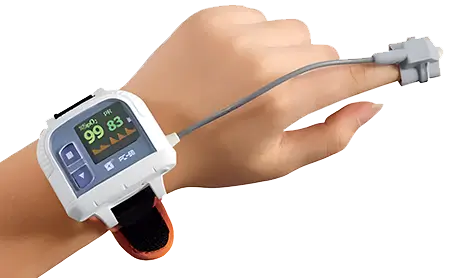
In summary, Flex PCBs are essential in medical applications, offering comfort, accuracy, and adaptability for improved patient care.
3. Technical Needs & Advanced Manufacturing
Material Selection
Biocompatible Substrates: Polyimide is still the best choice. It works at high temperatures and meets FDA and ISO standards for use in the human body.
Anti-Corrosion Coatings: Special nano-coatings protect circuits from bodily fluids and sterilization. This improves reliability in harsh medical environments.
High-Density Interconnect (HDI) Technology
Laser Microvias: Precision drilling below 25μm is standard in hearing aids and neurostimulators. It allows compact multilayer boards.
3D Flexible Circuits: Materials like Formlabs Flexible 80A resin support accurate vascular modeling in phantom tests. This helps develop next-generation medical tools.
Manufacturing Innovations
Rigid-flex PCBs combine strong rigid layers with flexible layers. This works well for tools that need both strength and shape change.
Self-Powered Systems: Triboelectric nanogenerators (TENGs) replace traditional batteries. They let wearable devices run on body movement alone.
Trends & Future
4. New Trends Shaping the Future
AI & Brain-Computer Interfaces (BCI)
Neuralink’s flexible electrode systems connect directly to brain signals. They use ultra-thin, biocompatible PCBs. This brings new neural prosthetics and motor rehabilitation therapies.
Sustainable Manufacturing
Recyclable Materials: Innovations like Freudenberg’s HelixFlex™ TPE tubes reduce environmental impact. They also support high-sterility fluid transfer systems.
5G & IoT Integration
Flex PCBs in wearable devices connect to cloud platforms in real time.
proves remote monitoring and AI-assisted diagnostics in smart hospitals.
5. FAQ Section
Q1: How to Choose a Medical-Grade Flex PCB Supplier
- Certifications: Suppliers should comply with ISO 13485 and FDA/GMP to meet strict healthcare regulations.
- Design Expertise: A proven portfolio in rigid flex PCB development is essential for high-precision medical applications.
Q2: Medical devices benefit from Flex PCBs. Why?
A: They can fit into small spaces, resist rust, and keep working well. This makes them perfect for small, implantable, or wearable devices.
Q3: How do Flex PCBs improve long-term performance?
A: Advanced coatings and robust pcb design principles improve reliability and durability under physiological stress.
Q4: Do rigid flex circuits have the potential to replace traditional PCBs in surgical tools?
A: Yes. Rigid flex circuits combine the strength of rigid boards with the flexibility needed in tight spaces. They are great for devices that need to bend or change shape often.