
Explore the Cutting – Edge World of PCB Technology!
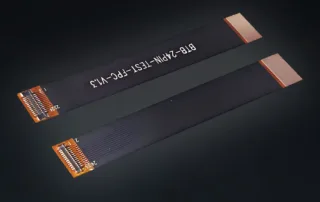
Choosing the Right Flex Circuit Connector: Tips and Best Practices
Summary Selecting the right flex circuit connector is essential for ensuring reliable electrical continuity, mechanical robustness, and efficient assembly in modern electronics. This guide talks about the basics of connectors. It covers different types, like ZIF, FPC, FFC, and BTB. It also compares FPC and FFC connectors. Additionally, it provides details about design, materials, how they connect, environmental testing, and[...]

PCB Drilling Techniques Explained: Laser vs Mechanical, Hole Types & Quality Insights
Introduction: Why PCB Drilling Matters More Than Ever In modern electronics manufacturing, PCB drilling is not just a routine step. It is key for making vertical connections between copper layers. This process helps deliver high-performance signal routing. As designs become smaller, 5G technology, and high-density applications increase, the quality of holes in PCBs is important. It impacts product reliability, yield,[...]

How to choose flexible pcb?
Flexible printed circuit boards (PCBs), also known as flex PCBs, feature a layer of copper sandwiched between two layers of polymer. They connect to one or more rigid PCBs using through-hole technology. Choosing the right form factor is essential. You can choose from single-sided, double-sided, multilayer, or rigid-flex options. This choice involves balancing mechanical, electrical, and cost factors. 1.[...]

Cleaning PCB Boards: Expert Practical Tips & Best Practices
Why Cleaning PCB Boards Is Crucial? PCBs accumulate flux residues, solder paste, dust, and oils during manufacturing or field use. Left unaddressed, these contaminants can trap moisture and create conductive paths, leading to short circuits and accelerated corrosion. Dust and particulates act as insulators, reducing heat dissipation and causing overheating of sensitive electronic components. Over time, dirty boards have[...]

Flexible PCB Design: Avoid These 6 Common Mistakes
Flexible PCB Design: Avoid These 6 Common Mistakes Flexible PCB design is crucial for creating lightweight, compact, and high-performance electronics. Flexible printed circuits (FPCs) have three main advantages over rigid circuit boards. They are lighter, more adaptable, and can bend without breaking. However, these benefits also come with specific design challenges that many engineers overlook. This guide from Gekun,[...]
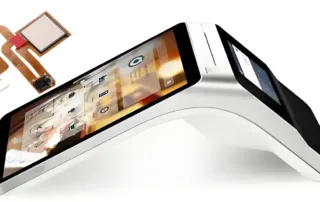
How FPC Fingerprint Sensors Work: 5 Expert Tips
Introduction: The Evolution of FPC Fingerprint Sensors Fingerprint recognition has improved a lot. It has changed from early capacitive sensors to today’s thin and high-performance biometric modules. Among all fingerprint recognition technologies, FPC (Fingerprint Cards) sensors are notable. People recognize them for their accuracy, ease of integration, and advanced signal processing capabilities. This guide explains how FPC fingerprint sensors[...]