
How FPC Fingerprint Sensors Work: 5 Expert Tips

However, secure, fast, and proven: that is the value proposition behind FPC fingerprint sensors. However, the promise only becomes useful when you know how FPC fingerprint sensors work. In short, they capture ridge and valley data with capacitive sensing, reconstruct an image, extract features, and match a stored template. Additionally, this guide walks through each step and gives five expert tips for smoother FPC fingerprint integration.
Meanwhile, see also Automotive Flexible Circuit Boards for related specifications.
Technical Highlights: Edge-to-Cloud Biometrics With a Sensor-First Focus
For example, FPC positions its biometric offer as edge-to-cloud biometrics. In addition, for this page, the important part is the edge: the sensor captures the fingerprint, the module turns it into a template, and the design protects that template before it moves anywhere else. The sections below follow a product-page flow: technical highlights, functions, products, buying path, applications, FAQ and a clear next step.
What Is an FPC Fingerprint Sensor?
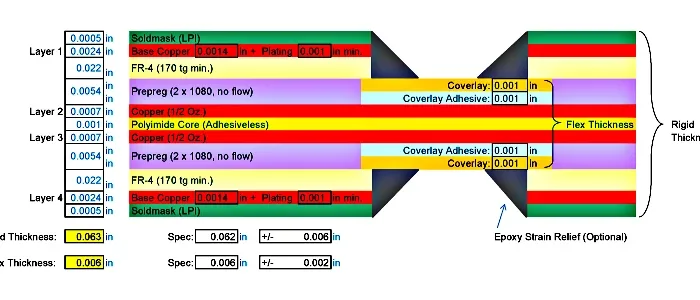
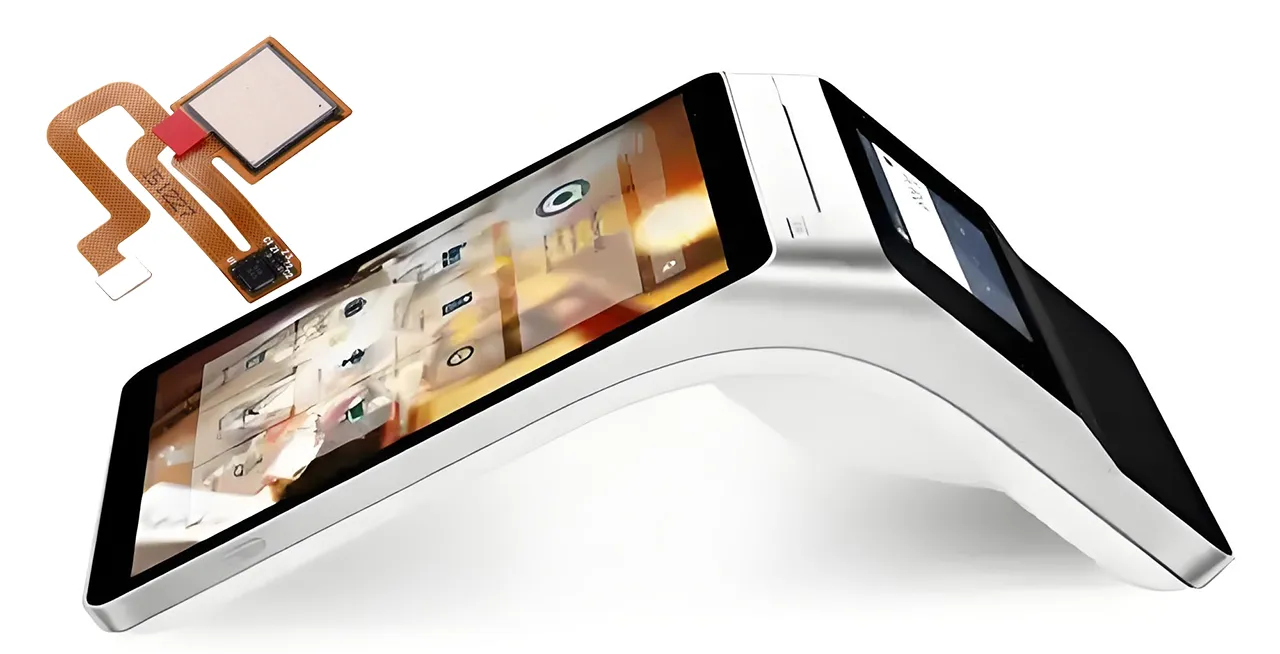
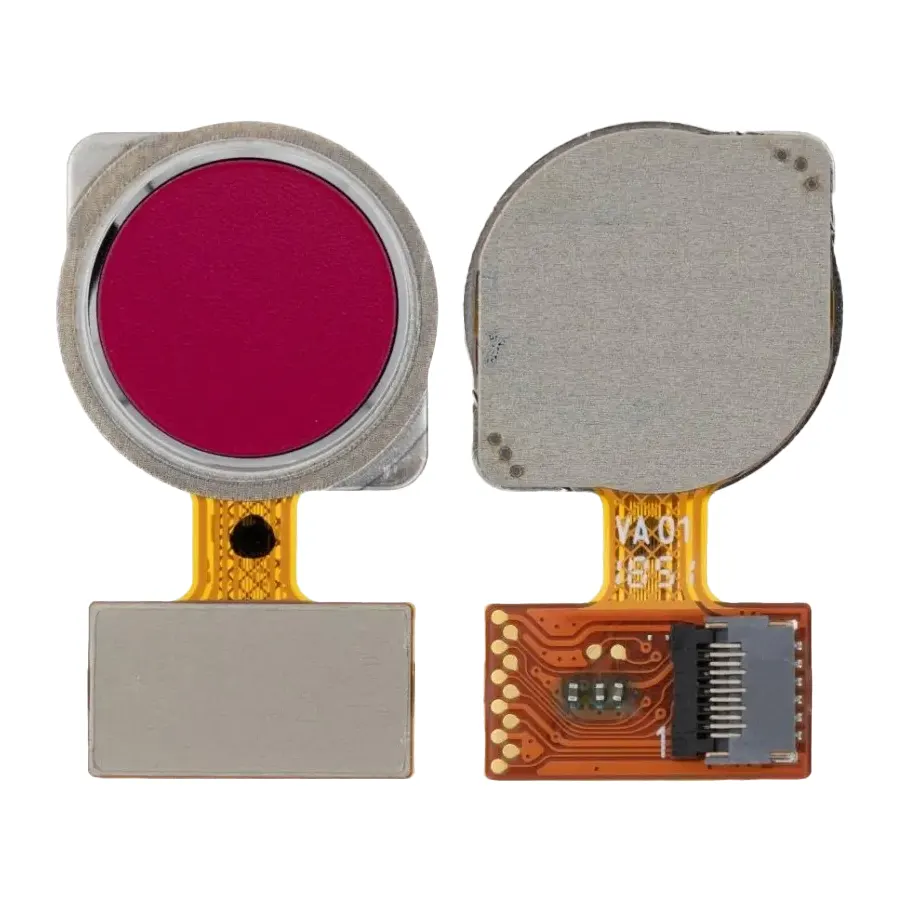
As a result, FPC stands for Fingerprint Cards, a maker of biometric sensors known for accuracy, easy integration and advanced signal processing. In practice, an FPC fingerprint sensor module pairs a thin capacitive array with a small flexible circuit. Next, that part captures the print and carries signals to the host board.
Consequently, the flex construction matters. Moreover, it fits narrow mechanical spaces in phones, locks and vehicle modules. In particular, the sensor is not a camera; it measures a capacitive response and converts it into a biometric template.
How does it work?
However, FPC sensors use reflection-based capacitive sensing, often called Echo Sensing. Instead of only measuring finger contact, the sensor sends out a signal. Therefore, the signal reflects back from the surface, so the sensor can “see through” materials such as 300μm glass.
Additionally, that depth is a key difference. Meanwhile, traditional capacitive sensors reach less than 50μm. For example, echo Sensing reaches up to 300μm of hardened glass. Therefore the module can sit under a display or inside a sealed enclosure.
Step 1: Ridge and Valley Capture
In addition, when a finger rests above the sensing area, ridges and valleys sit at slightly different distances from the array. As a result, each pixel responds in its own way. In practice, this pattern of responses becomes the raw signal.
Step 2: Image Reconstruction
Next, the module assembles pixel responses into a usable image. Consequently, because the signal passes through thick cover material, the image stays readable on dry, wet or oily fingers. As a result, the same sensor works behind glass and in industrial housings.
Step 3: Feature Extraction
Next, the algorithm locates ridge endings and ridge flow. It converts those points into a compact template instead of a photo. Moreover, this step keeps memory use low and speeds up every later match.
Step 4: Template Matching
In particular, on each authentication attempt, the new template is compared with the enrolled template. However, the module produces a match score.
Step 5: Authentication Output
Therefore, if the score passes the threshold, the sensor returns a pass result to the host. A read over SPI at 10 MHz can finish in less than 0.3 seconds. The host then unlocks the door, approves the payment or boots the device.
5 Expert Tips
Tip 1: Match Sensor Type to Your Use Case
Selecting the appropriate FPC sensor model for your application can significantly enhance performance and lower costs. Below is a comparative summary of the top models:
| Model | Ideal Application | Thickness | Interface | Key Features |
|---|---|---|---|---|
| FPC1020 | Smart locks, POS | 1.1 mm | SPI | 30kV ESD, cost-effective |
| FPC1268 | Smartphones, foldable devices | 0.7 mm | SPI/UART | OLED-compatible, glass-through sensing |
| BM-LITE | Automotive, BMS | 1.4 mm | UART | Waterproof (IPx7), industrial-grade -40°C~85°C |
Pro Tip: Match the sensor thickness and interface type with your product’s design early in the development process.
Tip 2: Optimize Sensor-to-Controller Communication
FPC sensors commonly use SPI or UART interfaces. Selecting and configuring the proper protocol can prevent latency issues or data corruption.
- SPI: Recommended for fast response applications. Use a clock frequency of 10 MHz for a read time of less than 0.3 seconds.
- UART: When using soft serial, limit the baud rate to ≤9600bps to avoid data loss or misalignment.
Avoid this trap: Ensure your firmware handles flow control effectively in noisy environments. This is important for embedded Linux or RTOS platforms.
Tip 3: Design with EMI and ESD Immunity in Mind
Flexible circuit boards (FPCs) introduce new EMC challenges. To ensure robust performance:
- Double-layer copper shielding: Apply 1oz copper foil on both sides of the flex layer.
- Star-grounding topology: Keep grounding impedance <10mΩ to reduce noise loop interference.
- Substrate choice: Utilize high-performance PI films, such as those from Sumitomo, for enhanced triple bend-cycle durability.
Note: These design measures improve noise immunity by up to 30dB, ensuring reliable operation even in high-RF environments.
Tip 4: Implement Advanced Fingerprint Algorithms
FPC’s sensor modules support next-gen features beyond static matching:
- EvoTouch™ Dynamic Calibration: Automatically updates templates every 24 hours to adapt to changes in finger surface (such as peeling or oils).
- RF Liveness Detection: Sends out a 13.56 MHz signal to pass through the skin. This checks if the skin is genuine and prevents fake silicone from deceiving the system.
Security Boost: FAR (False Acceptance Rate) can be improved to 1 in 500,000 with adaptive AI-based modeling.
Tip 5: Run Rigorous Production Testing
Mass production introduces new variables that can compromise performance. Keep the following in check:
- Protective film thickness: Use laser profilometry to ensure a tolerance of ±5 μm.
- Aging simulation: Perform 85°C/85%RH stress tests for 1000 hours to validate sensor signal stability.
- High-speed routing rules: Maintain spacing ≥ 3×trace width between power and signal traces to reduce crosstalk.
Bonus: What’s Next in FPC Fingerprint Tech?
1. OLED Integration Without Polarizers
FPC’s new ultra-thin sensor is just 0.3mm thick. You can place it directly into OLED displays. This boosts light transmittance by 40%. It is perfect for foldable phones and phones without bezels.
2. Automotive Integration
FPC sensors are now replacing traditional harnesses in Tesla’s BMS systems, improving accuracy to ±0.5mV. In-vehicle payment and identity modules are also emerging.
3. Post-Quantum Security
FPC is experimenting with quantum-encrypted fingerprint templates based on NIST’s post-quantum cryptography protocols. This will dramatically enhance resistance to brute-force attacks.
Conclusion: Build Smarter Biometric Systems
FPC fingerprint sensors deliver unmatched precision, flexible integration, and future-ready biometric capabilities. Whether you’re designing smart consumer products or industrial control systems, optimizing sensor selection, layout, and testing can unlock new levels of security and reliability.
Looking to integrate an FPC fingerprint solution into your next project? Gekun’s expert engineering support and advanced FPC manufacturing can help you get to market faster, with confidence.
Learn about others
What is the Sensor? https://en.wikipedia.org/wiki/Sensor
What is the Image sensor?: https://en.wikipedia.org/wiki/Image_sensor
FPC Fingerprint Sensor Products: Match the Module to the Design
The table below compares three common product classes. Use it to shortlist a module, then confirm the exact part with FPC sales or a distributor.
| Product class | Ideal application | Thickness | Interface | Key features |
|---|---|---|---|---|
| Entry lock/POS module | Smart locks, POS | 1.1 mm | SPI | High ESD tolerance, cost-effective |
| Ultra-thin phone module | Smartphones, foldable devices | 0.7 mm | SPI/UART | OLED-compatible, glass-through sensing |
| Rugged automotive/industrial module | Automotive, BMS | 1.4 mm | UART | Waterproof, industrial grade, wide temperature range |
A practical note: match sensor thickness and interface type to your product design early in development. Changing either one later forces a new flex layout. Also confirm whether the module needs a secure element, liveness detection and a specific FAR/FRR target before you request samples.
Where To Buy: Samples, Pricing and Integration Support
Ready to move from specification to evaluation? Contact FPC sales or an authorized distributor to request samples, pricing and the integration guide. Ask for the product selection matrix, compliance documents and lead-time estimate for your market. This is the fastest path to confirm that an FPC fingerprint sensor fits your enclosure, interface and security plan.
Typical Applications for FPC Fingerprint Modules
- Smart locks and access panels
- Smart cards and POS terminals
- Smartphones and foldable devices
- Automotive modules and BMS units
- Enterprise devices and kiosks
Each case carries different demands. Locks care about ESD margin and cost. Foldables care about thinness and glass-through sensing. Automotive units care about wide temperature range and water resistance. Enterprise devices care about manageability, template security and fast authentication.
Common Misconceptions About FPC Fingerprint Sensors
“Wet or dry fingers always fail”
Echo Sensing is designed to read dry, wet, and oily fingers. Performance still depends on enrollment quality and cover material, so test the real user conditions.
“Capacitive sensors wear out quickly”
The sensing array sits behind cover glass or a sealed housing. Wear usually comes from scratches, chemicals or flex damage, not from normal finger contact. Specify the cover material and cleanability for the use case.
“Speed is only about the sensor”
Speed is a system result: sensor capture, interface clock, feature extraction, and host firmware. SPI at 10 MHz helps, but firmware that blocks the bus can erase the gain.
“FAR and FRR are marketing numbers”
FAR (false acceptance rate) and FRR (false rejection rate) must be measured on your enclosure, user group, and liveness settings. Treat vendor figures as starting points, then validate.
“Multimodal biometrics replace the fingerprint sensor”
Multimodal designs often add a second factor such as face or device possession. The fingerprint sensor still does the first capture, template extraction, and fast match at the edge.
FAQ
What is an FPC fingerprint sensor and how does it work?
An FPC fingerprint sensor (from Fingerprint Cards) uses reflection-based capacitive technology called Echo Sensing. Instead of measuring direct contact like traditional sensors, it sends out a signal and analyzes the reflection — allowing it to sense fingerprints through up to 300 μm of glass, even under harsh or dirty conditions (dry, wet, or oily fingers).
What are the advantages of Echo Sensing compared to traditional capacitive sensors?
Echo Sensing offers several key benefits:
Penetrates 300 μm hardened glass (traditional: <50 μm)
Operates in -40°C to +85°C environments
High ESD immunity up to ±30 kV
Better performance with moisture, oil, and surface contamination
These advantages make it ideal for smartphones, smart locks, automotive systems, and foldable devices.
How do I choose the right FPC fingerprint sensor model?
Choose based on thickness, interface, and application:
FPC1020 → Smart locks, POS systems (1.1 mm, SPI, 30kV ESD)
FPC1268 → Smartphones, foldables (0.7 mm, SPI/UART, OLED-ready)
BM-LITE → Automotive/BMS (1.4 mm, UART, waterproof)
Matching sensor thickness and communication interface early in design helps avoid mechanical conflicts and reduces development cost.
What communication interfaces do FPC sensors use, and how do I optimize them?
FPC sensors typically support SPI or UART:
SPI: Best for high-speed devices; use 10 MHz clock for <0.3 s response time.
UART: For low-speed systems; keep baud rate ≤9600 bps to avoid packet loss.
Make sure firmware includes robust flow control—especially important for noisy RF or embedded Linux environments.
What are the best design practices to ensure strong EMI/ESD performance?
For noise-immune and durable fingerprint modules:
Use double-layer copper shielding (1 oz) on both sides of the FPC
Apply star-grounding to keep ground impedance under 10 mΩ
Choose high-performance polyimide films (e.g., Sumitomo) for long bend-cycle life
These steps can improve EMC performance by up to 30 dB, preventing false readings and signal distortion.
What future trends are shaping FPC fingerprint sensors?
Next-generation innovations include:
0.3 mm ultra-thin sensors for full OLED integration without polarizers (ideal for bezel-less and foldable phones)
Automotive adoption, including Tesla-level BMS accuracy of ±0.5 mV
Post-quantum fingerprint security, using NIST-approved cryptographic algorithms
These advances make FPC sensors suitable for secure payments, automotive identity systems, and advanced mobile biometrics.
Does an FPC fingerprint sensor store my fingerprint?
It stores a template, not a picture. The module converts ridge features into a compact template and keeps it encrypted. Best practice is to discard the raw image once feature extraction is complete.
Which interface should I use for FPC fingerprint integration?
Use SPI when speed matters, because a 10 MHz clock keeps a read below 0.3 seconds. UART suits simpler hosts, but limit soft serial to 9600bps or less to avoid data loss.
Can an FPC fingerprint sensor read wet or oily fingers?
Yes. Echo Sensing performs well on dry, wet, and oily fingers. It also reads through up to 300μm of hardened glass, tolerates -40°C to +85°C, and resists ESD up to ±30kV.
What thickness and interface options exist for a fingerprint sensor FPC design?
Common product classes range from about 0.7 mm for ultra-thin phone modules to 1.1 mm for lock/POS modules and 1.4 mm for rugged automotive/industrial modules. Interface options include SPI and UART. Confirm the exact part with your supplier.
Why does grounding matter in FPC fingerprint integration?
A star-grounding layout below 10mΩ limits noise loops on the flex. Combined with double-layer 1oz copper shielding, it improves noise immunity by up to 30dB in high-RF conditions.
How do I choose the right FPC fingerprint sensor for my product?
Start with use case, cover material, thickness, interface, power, and environment. Locks and POS terminals prioritize cost and ESD margin. Phones and foldables prioritize thinness and glass-through sensing. Automotive and industrial units prioritize temperature range and water resistance. Then confirm liveness detection and FAR/FRR targets.
What does FPC fingerprint integration require on the host side?
You need a host MCU with SPI or UART, firmware budget for protocol handling and flow control, a secure element for template storage, and a data path that keeps raw images inside the module. Plan the flex connector and grounding early.
How should I handle biometric data security and compliance?
Store only encrypted templates, keep raw images in the sensor or module, use a secure element, and define retention and deletion rules. Check GDPR and local biometric rules for your market before launch.
What FAR/FRR should I target?
Set targets from the threat model and user experience. Measure on the final enclosure and intended user group. Balance liveness settings so that lower FAR does not create an unacceptable FRR.
Where can I buy FPC fingerprint sensors or get samples?
Contact FPC sales or an authorized distributor. Request an evaluation kit, integration guide, and compliance documentation for your market. For purchase planning, ask for pricing, minimum order quantities, and lead times.
Ready to Get Started?
If you have a product brief, the next step is to match it to an FPC fingerprint sensor module, confirm the interface and secure element plan, and validate samples in the final enclosure. Ready to get started? Contact the FPC sales team or an authorized distributor to request samples, pricing, and the integration guide.
Related Posts
- Flex Sensors Explained: Bend Detection & Fingerprint Tech — Related article
- EMI Shielding Film for Flex Circuits: Selection Guide — Related article
- Choosing the Right Flex Circuit Connector | Gekun — Related article
- Flexible Copper-Clad Laminate Guide — Related article
- Flexible PCB Buttons: Streamlining Modern Device Design — Related article