
Industry-Specific Compliance Requirements For Flex PCB

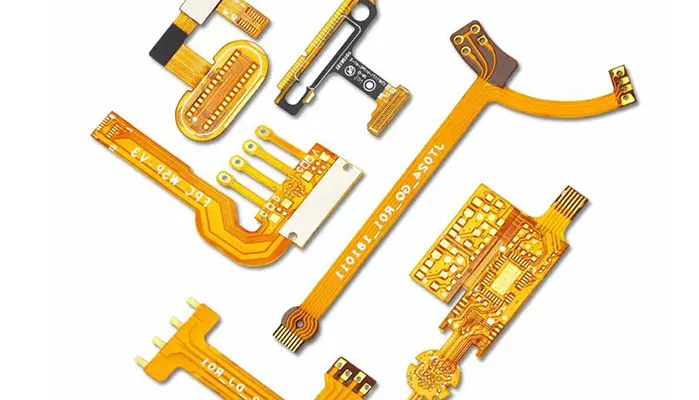
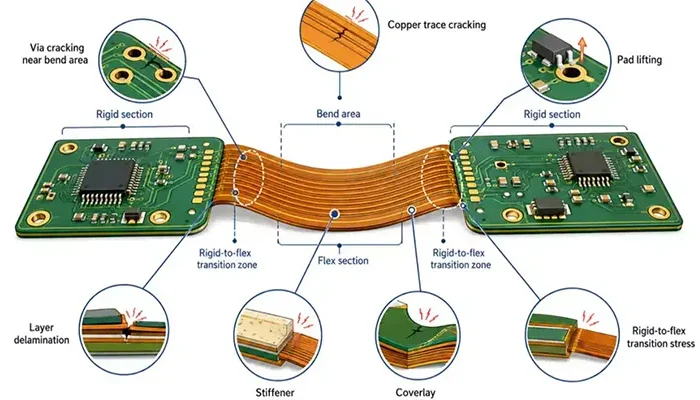

Printed Circuit Boards (PCBs) are the structural and electrical backbone of virtually all electronic devices. As electronics become more compact, powerful, and reliable, the complexity of PCB technologies has increased significantly. One of the most important developments in advanced electronics packaging is the rigid-flex PCB, a hybrid circuit board that combines rigid and flexible substrates in a single structure.
Because rigid-flex PCBs are often used in high-reliability environments—such as aerospace systems, medical devices, and advanced consumer electronics—industry standards play a critical role in ensuring consistent performance, manufacturability, and safety.
Industry standards provide a common technical language across designers, manufacturers, and quality inspectors. They define acceptable tolerances, testing procedures, material requirements, and reliability benchmarks throughout the PCB lifecycle.
However, a frequently asked question within the electronics industry is:
Are there specific standards dedicated solely to rigid-flex PCB manufacturing?
This article explores the answer to that question while examining the broader international standards that govern rigid-flex PCB design, fabrication, and quality control.
Understanding Rigid-Flex PCBs
Definition of Rigid-Flex PCBs
A rigid-flex PCB is a circuit board that integrates rigid PCB sections with flexible circuit layers within a single continuous structure.
Unlike traditional PCB assemblies, where rigid boards are connected using cables or connectors, rigid-flex circuits are laminated together during fabrication, forming an electrically continuous and mechanically integrated structure.
Typical rigid-flex structures include:
| Structural Component | Description |
|---|---|
| Rigid Layers | Conventional FR-4 or high-performance laminate layers that support components |
| Flexible Layers | Polyimide-based flexible circuits capable of repeated bending |
| Adhesive/Adhesiveless Lamination | Bonds rigid and flexible sections |
| Coverlay | Protective flexible insulation layer |
| Stiffeners | Reinforcement materials to support components in flexible regions |
This integrated architecture eliminates separate connectors and cables, improving electrical reliability and mechanical robustness.
Key Advantages
Rigid-flex PCB technology provides several technical and economic advantages compared with traditional rigid board interconnect solutions.
Reduced Weight and Space
Rigid-flex circuits eliminate connectors, cables, and wire harnesses. According to industry analyses by the Electronics Packaging Association, rigid-flex designs can reduce overall system weight by 30–70% in aerospace and portable electronics.
Improved Reliability and Durability
Connectors and solder joints are among the most common failure points in electronic systems. By eliminating these interconnections, rigid-flex circuits can increase reliability by up to 60% in high-vibration environments.
Enhanced Design Flexibility
Flexible interconnect sections allow designers to fold circuits into three-dimensional structures, enabling compact packaging in devices such as:
smartphones
wearables
cameras
medical implants
Fewer Interconnections and Connectors
Rigid-flex designs dramatically reduce:
| Parameter | Traditional Rigid Boards | Rigid-Flex Boards |
|---|---|---|
| Cable connectors | Multiple | Often eliminated |
| Assembly steps | Higher | Reduced |
| Failure points | Many | Significantly fewer |
| Mechanical integration | External cabling | Integrated structure |
These benefits explain why rigid-flex technology is increasingly adopted in high-performance electronics.
Typical Application Industries
Rigid-flex PCBs are commonly used in industries where space constraints, reliability, and weight reduction are critical.
Aerospace Systems
Aircraft avionics, satellites, and military systems use rigid-flex circuits to reduce weight and improve vibration resistance.
According to aerospace electronics studies, rigid-flex PCBs can reduce wiring complexity by more than 60% in avionics modules.
Medical Devices
Rigid-flex technology is widely used in:
implantable medical devices
diagnostic equipment
wearable healthcare monitors
Their flexibility allows electronics to conform to complex shapes while maintaining electrical stability.
Consumer Electronics
Modern smartphones, cameras, and foldable devices rely heavily on rigid-flex circuits to achieve ultra-compact designs.
High-Reliability Electronic Equipment
Other sectors include:
automotive electronics
industrial robotics
defense electronics
telecommunications infrastructure
Are There Specific Standards for Rigid-Flex PCB Manufacturing?
Lack of Dedicated Rigid-Flex-Only Standards
One important fact about the electronics industry is that there is no single global standard exclusively dedicated to rigid-flex PCB manufacturing.
Instead, rigid-flex PCBs are governed by a combination of standards covering rigid PCBs, flexible circuits, materials, and manufacturing processes.
These standards originate primarily from international organizations such as:
International Electrotechnical Commission (IEC)
IPC (Association Connecting Electronics Industries)
Environmental regulatory bodies (e.g., RoHS)
For example, IPC provides several standards related to rigid-flex boards, including design, performance, and inspection guidelines, but these are part of broader PCB standards rather than a standalone rigid-flex manufacturing framework.
Importance of Applying General PCB Standards
Even without a rigid-flex-only standard, existing PCB standards collectively provide comprehensive guidance across the manufacturing lifecycle.
These standards address key technical aspects including:
| Manufacturing Stage | Standard Coverage |
|---|---|
| Design | Stack-up design, trace spacing, impedance |
| Materials | Substrate properties, laminates, adhesives |
| Fabrication | Drilling, plating, lamination |
| Inspection | Visual inspection criteria |
| Testing | Electrical continuity, environmental stress |
| Reliability | Thermal cycling and mechanical stress |
Adhering to these standards ensures that rigid-flex PCBs meet global expectations for performance, safety, and quality.
Major Industry Standards Governing PCB Manufacturing
Several international standards organizations provide the frameworks used by rigid-flex PCB manufacturers worldwide.
IEC Standards
The International Electrotechnical Commission (IEC) develops global standards for electrical and electronic technologies.
IEC standards are widely used across Europe, Asia, and international markets.
Scope of IEC PCB Standards
IEC standards address multiple aspects of PCB manufacturing:
| Area | Example Coverage |
|---|---|
| Design specifications | Electrical and mechanical design rules |
| Material standards | Laminate properties and insulation performance |
| Manufacturing processes | Soldering, plating, and fabrication guidelines |
| Environmental testing | Thermal cycling, humidity resistance |
| Safety compliance | Electrical safety and insulation requirements |
Example IEC standards related to PCB technology include:
| IEC Standard | Description |
|---|---|
| IEC 61188 | PCB design and layout principles |
| IEC 60249 | Base materials for printed circuits |
| IEC 60068 | Environmental testing for electronics |
These standards ensure global interoperability and product safety.
IPC Standards
The most widely adopted standards in the PCB industry are developed by IPC (Association Connecting Electronics Industries).
IPC standards provide detailed guidance for PCB design, fabrication, assembly, and inspection.
Key IPC Standards for Rigid-Flex PCBs
| IPC Standard | Description |
|---|---|
| IPC-2223 | Design standard for flexible and rigid-flex PCBs |
| IPC-6013 | Qualification and performance specification for flexible PCBs |
| IPC-A-600 | Acceptability of printed boards |
| IPC-TM-650 | Test methods manual for PCB materials and processes |
| IPC-4101 | Specification for base materials used in rigid PCBs |
IPC-2223 is particularly important because it includes design rules specific to rigid-flex structures, such as:
bend radius requirements
coverlay design
stress relief structures
layer transition guidelines
IPC Standard Usage Statistics
According to industry surveys:
| Region | IPC Adoption Rate |
|---|---|
| North America | ~95% of PCB manufacturers |
| Europe | ~85% |
| Asia-Pacific | ~80% |
This widespread adoption makes IPC standards the de facto global framework for PCB manufacturing quality control.
RoHS Directive
Environmental regulations also play a major role in PCB manufacturing standards.
The Restriction of Hazardous Substances (RoHS) directive restricts the use of certain toxic materials in electronic products.
Restricted Substances
RoHS limits the concentration of several hazardous materials:
| Substance | Maximum Allowed Concentration |
|---|---|
| Lead (Pb) | 0.1% |
| Mercury (Hg) | 0.1% |
| Cadmium (Cd) | 0.01% |
| Hexavalent Chromium (Cr⁶⁺) | 0.1% |
| PBB flame retardants | 0.1% |
| PBDE flame retardants | 0.1% |
Impact on PCB Manufacturing
RoHS compliance has led to major changes in PCB fabrication, including:
adoption of lead-free solder processes
development of halogen-free laminates
environmentally friendly material sourcing
Industry-Specific Requirements for Rigid-Flex PCBs
While international standards such as those developed by the International Electrotechnical Commission and IPC (Association Connecting Electronics Industries) provide general guidance for PCB manufacturing, certain industries impose additional technical requirements due to the critical nature of their applications.
Rigid-flex PCBs are frequently deployed in environments where failure is unacceptable, including aerospace systems and medical equipment. In these sectors, regulatory frameworks and performance expectations go well beyond standard commercial electronics.
Aerospace Industry Requirements
The aerospace industry is one of the earliest adopters of rigid-flex PCB technology because of its ability to reduce wiring complexity and improve reliability in harsh environments. Aircraft avionics, satellite systems, and defense electronics often rely on rigid-flex boards to minimize connectors and improve mechanical robustness.
However, these advantages must be supported by extremely rigorous reliability standards.
Aerospace electronics are expected to function reliably under severe environmental conditions, including rapid temperature fluctuations, high levels of vibration, and significant mechanical stress.
Temperatures in aerospace systems may range from –55 °C to over 125 °C, depending on the operating environment and system design.
Rigid-flex PCB materials must therefore maintain stable electrical and mechanical performance across wide thermal ranges.
Polyimide substrates, commonly used in flexible circuits, are particularly valuable in these environments due to their excellent thermal stability and dielectric performance.
Mechanical durability is another essential requirement. Aircraft and spacecraft electronics are exposed to constant vibration, shock loading during launch or flight maneuvers, and repeated thermal cycling.
Rigid-flex designs help mitigate these stresses by eliminating cable harnesses and connectors, which are traditional failure points in avionics systems. Studies in aerospace electronics reliability have shown that integrated rigid-flex interconnections can reduce wiring failures by over 50 % compared with traditional cable-based assemblies.
In addition, aerospace electronics often follow strict quality frameworks such as those established by the NASA and the European Space Agency.
These frameworks emphasize traceability of materials, rigorous testing protocols, and extensive reliability verification.
As a result, rigid-flex PCB manufacturers supplying aerospace applications typically implement additional environmental testing, including thermal shock testing, vibration testing, and long-duration reliability assessments.
Medical Device Regulations
Rigid-flex PCBs also play an important role in modern medical technology, where compact designs and high reliability are essential.
Devices such as implantable monitors, imaging equipment, surgical tools, and wearable medical electronics frequently incorporate rigid-flex circuitry to achieve compact and flexible product architectures.
However, medical electronics are subject to strict regulatory oversight because device failures could directly impact patient safety.
Regulatory frameworks such as those enforced by the U.S. Food and Drug Administration and international medical standards organizations require manufacturers to demonstrate the reliability, safety, and long-term performance of electronic components.
One important consideration in medical electronics is biocompatibility. Materials used in devices that may contact human tissue must not cause harmful biological reactions.
Although the PCB itself may not directly touch biological tissues in all cases, protective materials such as conformal coatings or encapsulation compounds must comply with biocompatibility standards defined by medical regulatory frameworks.
Another key requirement is sterilization compatibility. Many medical devices undergo sterilization processes such as autoclaving, ethylene oxide sterilization, or gamma irradiation.
These processes can expose electronic components to elevated temperatures, high humidity, or radiation. Rigid-flex PCB materials must therefore maintain structural integrity and electrical performance even after repeated sterilization cycles.
Reliability standards in medical electronics are particularly strict.
Devices used in diagnostic imaging, patient monitoring, or implantable applications must operate continuously with minimal failure risk. For example, implantable electronics may be required to function reliably for more than 10 years without maintenance.
Achieving such reliability requires strict adherence to manufacturing standards, extensive testing, and careful material selection.
Importance of Following Industry Standards
Industry standards serve as a foundational framework that ensures consistent quality and performance across the global electronics supply chain. For rigid-flex PCB manufacturing, these standards help align designers, manufacturers, and testing laboratories around a shared set of technical expectations.
Ensuring Product Quality
One of the primary purposes of industry standards is to ensure consistent product quality. When manufacturers follow internationally recognized standards, the fabrication processes, material specifications, and inspection criteria remain consistent across production batches.
This consistency is particularly important for rigid-flex PCBs because their hybrid structure introduces additional manufacturing complexities compared with traditional rigid boards.
The lamination of flexible and rigid materials requires precise control of temperature, pressure, and adhesive bonding conditions. Standards help define acceptable process windows and quality benchmarks, reducing the risk of manufacturing defects.
By following established standards, manufacturers can ensure that finished circuit boards meet required electrical performance characteristics, such as impedance stability, signal integrity, and insulation reliability. These factors are essential for maintaining reliable electronic functionality in advanced systems.
Improving Manufacturing Efficiency
Standardization also improves manufacturing efficiency. When design guidelines, material specifications, and testing methods are clearly defined, production workflows become more predictable and easier to optimize.
Standardized processes reduce variability in fabrication, which in turn lowers defect rates and minimizes costly rework. In high-volume electronics manufacturing, even small improvements in yield can translate into significant cost savings.
Industry studies suggest that implementing standardized PCB manufacturing processes can reduce production defects by 20–30 %, depending on the complexity of the design.
Moreover, standards simplify communication across global supply chains.
Designers, PCB fabricators, assembly houses, and quality inspectors can all rely on the same technical references, reducing misunderstandings and improving collaboration throughout the product development cycle.
Enhancing Manufacturer Credibility
Adherence to industry standards also strengthens a manufacturer’s credibility in the marketplace. Customers increasingly expect suppliers to demonstrate compliance with internationally recognized technical and environmental standards.
For rigid-flex PCB manufacturers, certification and compliance provide evidence that production processes meet established quality benchmarks.
This assurance builds trust with customers and partners, particularly in industries such as aerospace, medical technology, and automotive electronics, where reliability requirements are extremely high.
Companies that consistently follow recognized standards also position themselves more competitively in global markets.
Many procurement contracts, especially in regulated industries, require suppliers to demonstrate compliance with specific standards before they can participate in bidding processes.
Implementing Quality Management Systems (QMS)
Beyond technical standards for materials and manufacturing processes, many PCB manufacturers implement formal quality management systems to ensure continuous operational excellence.
Role of QMS in PCB Manufacturing
A Quality Management System (QMS) provides a structured framework for managing organizational processes, quality assurance activities, and operational workflows.
One of the most widely adopted QMS frameworks worldwide is the standard developed by the International Organization for Standardization, known as ISO 9001 Quality Management System.
In PCB manufacturing environments, a QMS integrates multiple aspects of the production process, including supplier management, process control, documentation, and quality inspection procedures.
By standardizing these activities, manufacturers can ensure consistent product quality across multiple production cycles.
For rigid-flex PCB fabrication, QMS frameworks are particularly valuable because they help manage complex manufacturing steps such as multilayer lamination, precision drilling, plating processes, and flexible circuit bonding. Detailed documentation and process monitoring ensure that each production stage meets defined performance criteria.
Benefits of QMS
The implementation of a comprehensive QMS offers several operational advantages.
Process monitoring becomes more systematic, allowing manufacturers to detect variations in production parameters before they lead to product defects.
Data-driven monitoring tools help track performance metrics such as yield rates, defect frequencies, and process stability.
A well-designed QMS also promotes continuous improvement. Manufacturers can analyze production data, identify recurring issues, and implement corrective actions that improve long-term efficiency and product reliability.
Another important benefit is the faster identification and resolution of manufacturing problems. When production processes are documented and monitored systematically, troubleshooting becomes more efficient. Engineers can quickly trace defects back to specific process stages, reducing downtime and improving overall production stability.
Conclusion
Rigid-flex PCB technology has become an essential component of modern electronic systems, enabling compact product designs, improved reliability, and enhanced mechanical flexibility.
Despite its growing importance, rigid-flex PCB manufacturing does not rely on a single dedicated international standard.
Instead, the industry operates within a broader framework of global standards developed by organizations such as the International Electrotechnical Commission, IPC (Association Connecting Electronics Industries), and environmental regulations such as the Restriction of Hazardous Substances Directive.
Together, these standards define the design rules, material requirements, manufacturing processes, and environmental compliance criteria that guide PCB production worldwide.
In addition to these general standards, certain industries impose additional technical requirements. Aerospace systems demand exceptional durability under extreme environmental conditions, while medical devices must meet strict safety, reliability, and biocompatibility regulations.
For rigid-flex PCB manufacturers, compliance with these standards is not merely a regulatory requirement—it is a strategic necessity. Adhering to recognized standards improves product reliability, enhances manufacturing efficiency, and strengthens credibility within the global electronics market.
As electronic devices continue to evolve toward greater complexity and miniaturization, the role of industry standards will remain central to ensuring the performance and safety of rigid-flex PCB technologies.