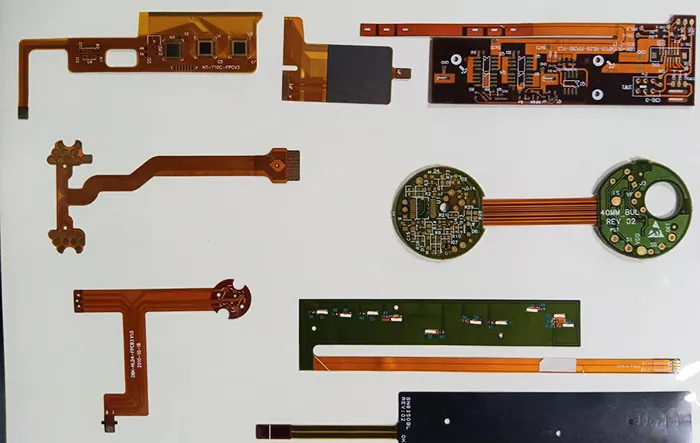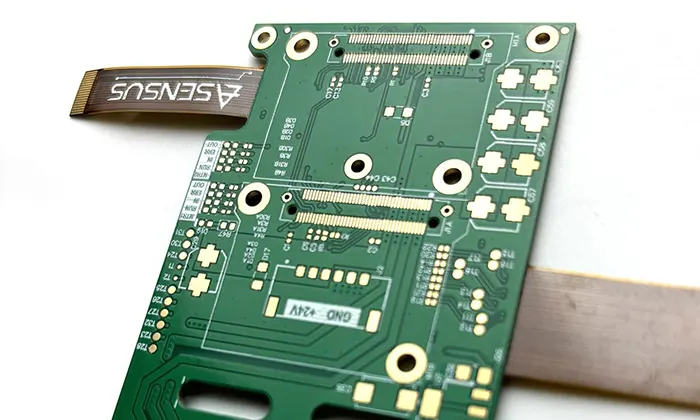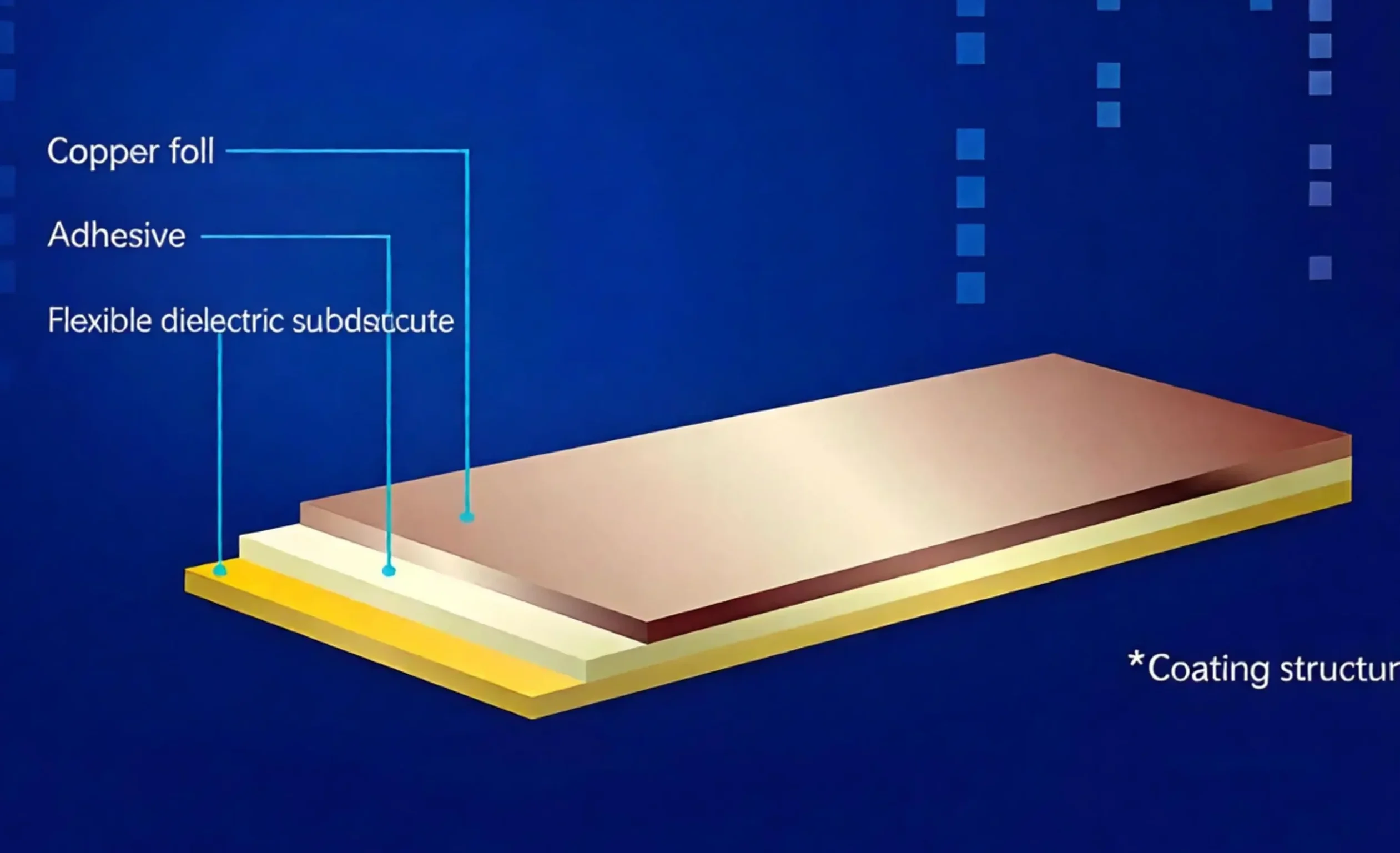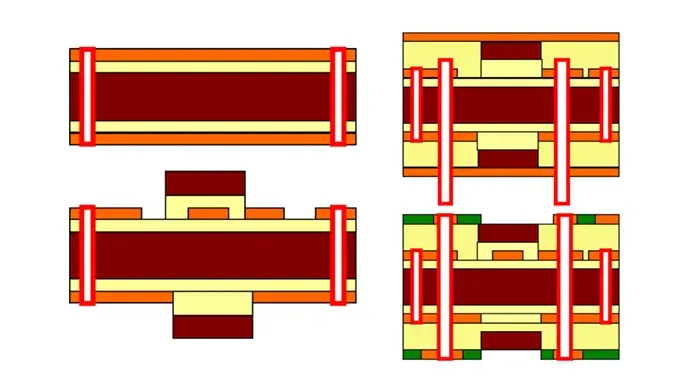
Rigid-Flex PCB Structures and Process Flow: Common Configurations and
Explore Rigid-Flex PCB structures and process flow, including common rigid-flex board configurations, flexible PCB steps, and multilayer


Explore Rigid-Flex PCB structures and process flow, including common rigid-flex board configurations, flexible PCB steps, and multilayer
Smart FPCB Manufacturing uses sensors, industrial networks, AI, digital twins, and real-time data to run flexible PCB production with fewer defects and less downtime. It replaces guesswork with measured process control [...]
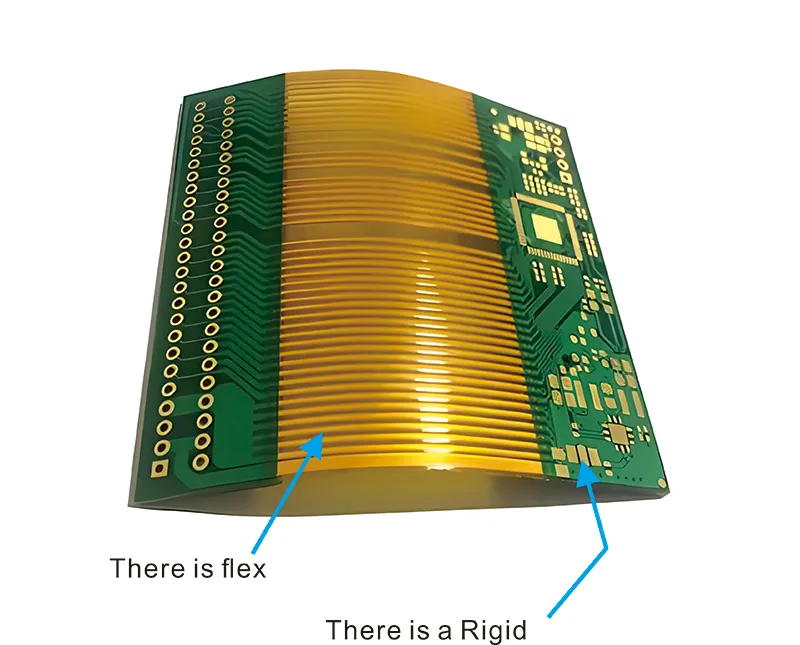
Rigid-Flex PCB Design combines rigid boards and flexible circuits into one unit. It removes board-to-board stacking connectors, so the flex tail becomes the interconnect. This Rigid-Flex PCB Design Guide follows the order [...]
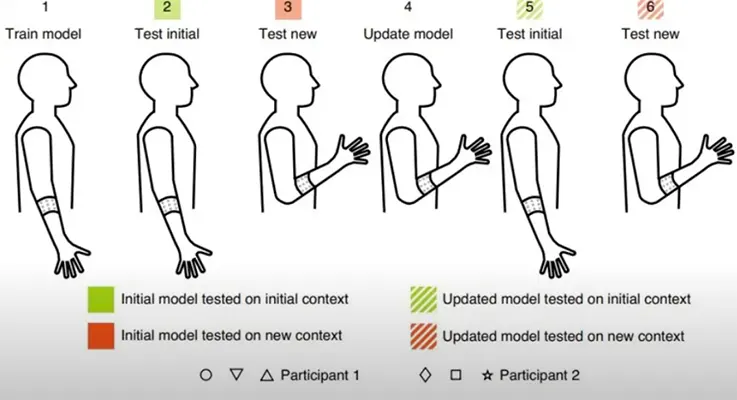
Explore how a Flexible PCB Gesture Recognition System uses triboelectric sensors, flexible circuits, and deep learning for wearable
Flexible printed circuit boards (FPCBs) have become indispensable in modern electronics because they reduce weight, save space, and enable three-dimensional packaging. Industries such as consumer electronics, automotive, aerospace, industrial automation, and [...]
Explore flexible electronics applications, including flexible displays, solar cells, sensors, transistors and CMOS circuits, plus materials
Explore Flex PCB applications across consumer, automotive, medical, aerospace, and industrial systems, plus when flexible circuits are not
Discover how closed-loop recyclable flexible PCB technology uses reversibly cross-linked polymers for self-healing and high-purity material
Adhesive-Free FCCL Substrates bond polyimide (PI) directly to copper foil with no adhesive layer. Because the adhesive is removed, a 2L-FCCL avoids the CTE mismatch and internal stress that a 3L-FCCL [...]
Flexible PCBs are circuits built on thin polyimide film instead of rigid FR-4. Their FPC polyimide structure pairs a polymer substrate with bonded copper foil, so the board bends, folds, and [...]

Gekun – Your Trusted Flex PCB Manufacturer
✉️ Contact us for flex PCB fabrication quotes
🌐 Leading flexible PCB board manufacturers since 2014
Overview
Contact
Address: 3rd Floor, Building A, Industrial 5th Road, Jiangbian Community, Songgang Street, Bao’an District, Shenzhen City, China.
Email:
Tel(Wechat): +86 18680312949
WhatsApp: +8613528899949
Copyright© 2014-2025Gekun All Rights Reserved | Flexible cirucuits Manufacturer