Flexible Electronics: Moving Circuits from “Rigid Boards” to a “Flexible” Future
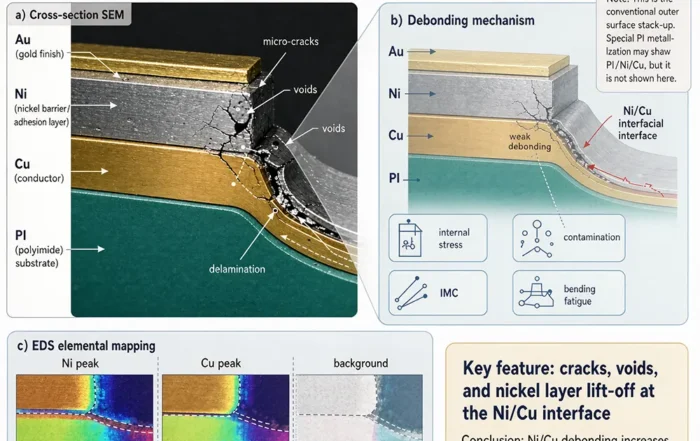
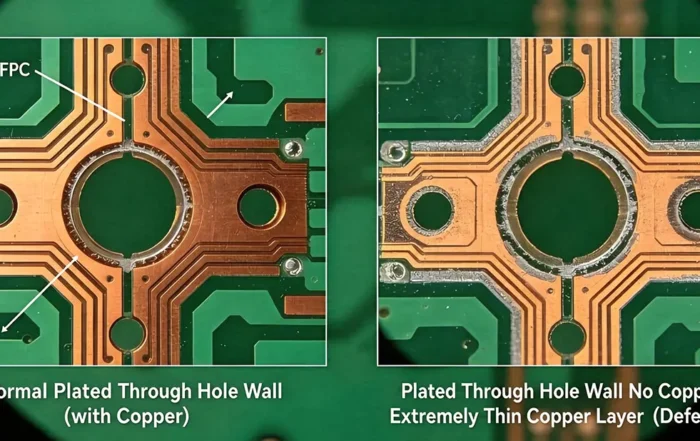
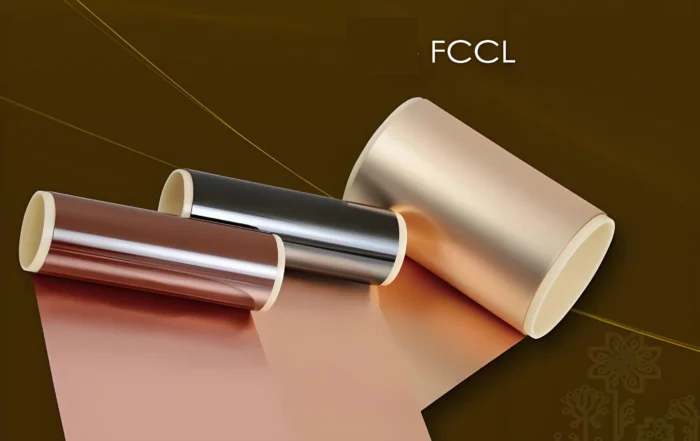

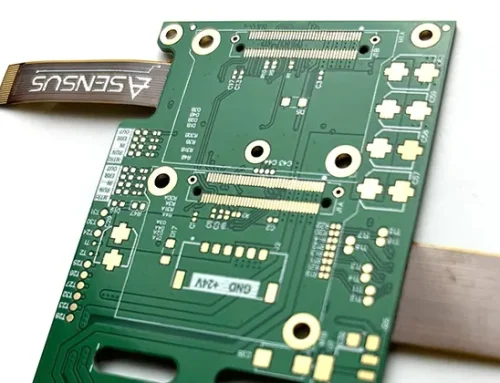
Flexible electronics, also known as flexible circuits, represent an emerging class of electronic technologies that utilize flexible substrates as their foundation.
These systems combine electronic components with bendable materials, enabling circuits to maintain reliable performance while adapting to curved, folded, or mechanically deformed surfaces.
Flexible electronics
Compared to traditional rigid circuits, its core feature lies in integrating conductive layers, semiconductor layers, dielectric layers, and various functional devices onto substrate materials that can be bent, rolled, or even deformed to a certain extent.
These substrate materials include polyethylene terephthalate (PET), polyimide (PI), and paper-based materials.
Flexible substrates are lightweight and offer a large processable area.
They also support continuous manufacturing methods such as printing, coating, and roll-to-roll processing.
As a result, flexible electronics demonstrate significant advantages in production efficiency, material utilization, and manufacturing costs.
Consequently, flexible circuits are gradually becoming an important technological approach in fields such as displays, energy, sensing, communications, and wearable devices.
They can replace or complement traditional rigid circuits in these applications.
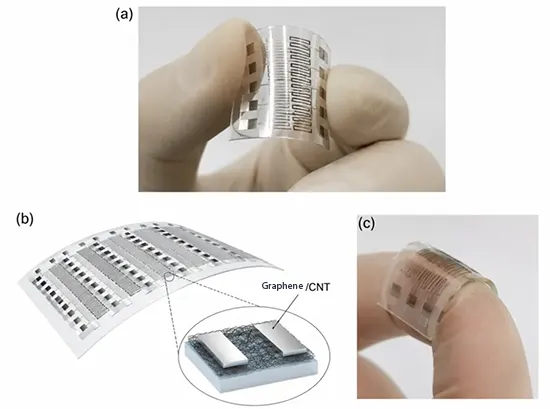
Figure 1: (a) Flexible gas sensor with an interdigital electrode structure fabricated on a PET substrate; (b) device structure diagram of a flexible field-effect transistor array based on graphene/carbon nanotubes; (c) optical photograph.
The value of flexible circuits lies not only in the fact that they “can be bent,” but also in their ability to overcome the limitations of traditional circuit boards in terms of spatial form, installation methods, and application scenarios.
Flexible circuits can be attached to curved surfaces, fabrics, human skin, or complex structures according to actual usage requirements.
They can also reduce device volume through folding, rolling, and other methods, thereby increasing the degree of freedom in electronic system integration.
For this reason, flexible electronics have demonstrated strong development potential in areas such as organic light-emitting diode (OLED) displays, flexible solar cells, flexible sensors, flexible transistors, and CMOS integrated circuits.
Typical Applications of Flexible Electronics
Flexible electronic devices are typically used in scenarios where traditional rigid circuits cannot meet requirements.
When electronic systems are constrained by factors such as spatial configuration, weight, mechanical deformation, or the need for low-cost, continuous manufacturing, flexible circuits can demonstrate their unique advantages.
Flexible circuits are better suited for complex surface-mount assembly, ultra-thin integration, and wearable designs compared to manual wiring or rigid circuit boards.
They have therefore attracted widespread attention in fields such as displays, photovoltaics, sensing, and integrated circuits.
Flexible Displays
Flexible displays are one of the most representative applications of flexible electronics.
Organic light-emitting diodes (OLEDs) have become a key foundation of flexible display technology.
They do not require the backlighting used in traditional liquid crystal displays, enabling thinner, lighter, and bendable display structures.
OLED-based flexible displays retain their light-emitting capabilities even when bent.
They also feature low power consumption, lightweight construction, surface emission, and self-emission. These advantages make them suitable for foldable screens, rollable displays, and wearable display devices.
In terms of material design, flexible displays place high demands on the transparency, thermal stability, mechanical strength, and surface flatness of substrate materials.
Researchers have developed a nanocomposite film composed of bacterial cellulose and polyurethane (PU) resin and applied it as a substrate for flexible OLED displays.
This type of composite substrate combines flexibility with a certain degree of mechanical support, helping to improve the structural stability of flexible display devices during bending.
Flexible Solar Cells
Flexible solar cells represent a key area where flexible electronics and new energy technologies converge.
The growing demand for renewable energy drives the development of lightweight and bendable photovoltaic devices.
Manufacturers can produce these devices on a large scale to provide new solutions for low-cost power supply.
Flexible solar cells offer greater portability than traditional rigid solar cells because users can roll them up and unfold them easily.
They can attach to or integrate with building surfaces, vehicles, satellite systems, portable devices, and wearable devices. These features expand the application boundaries of photovoltaic devices.
Flexible photovoltaic devices typically use plastic films, metal foils, or other flexible materials as substrates.
They can use high-throughput manufacturing techniques, such as roll-to-roll printing. These techniques produce organic, inorganic, and organic-inorganic hybrid solar cells.
These devices do not rely on simple surface mounting methods.
Manufacturers can directly integrate them into target structures to create lightweight, low-cost, and highly conformable power-generating units.
Flexible solar cells are suitable for complex surfaces that traditional photovoltaics cannot cover.
They also provide a vital energy foundation for self-powered flexible sensors and wearable electronic systems.
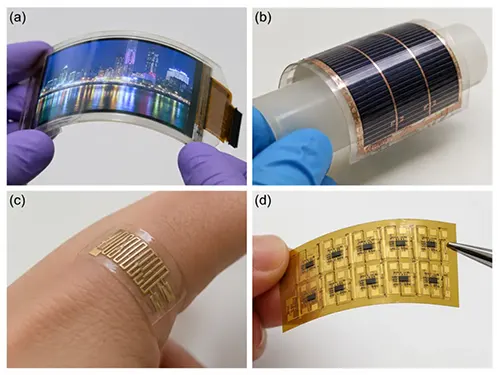
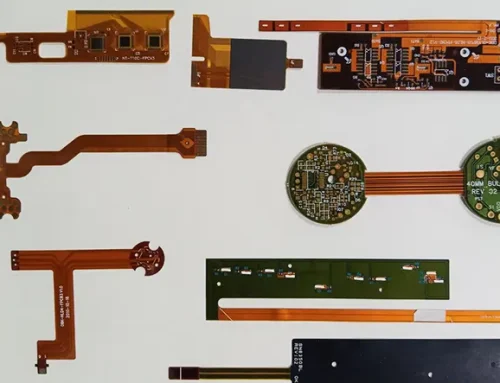
Figure 2: Flexible electronics
Flexible Sensors
Flexible sensors are one of the fastest-growing application areas in flexible electronics.
Flexible sensors can attach to curved surfaces or the human body. They have gradually become a key focus of research and industrialization.
This trend results from increasing demand for environmental monitoring, health management, safety protection, and smart manufacturing.
Flexible sensors support various applications, including hazardous gas detection, air quality monitoring, and chemical process control.
They also enable human motion recognition, health status monitoring, and human-computer interaction.
Flexible gas sensors typically feature an interdigitated electrode structure on flexible substrates such as PET.
They incorporate gas-sensitive materials onto the electrode surfaces.
When the target gas adsorbs onto, reacts with, or undergoes charge transfer with the sensitive layer, the device’s resistance, current, or capacitance signals change accordingly, thereby enabling gas detection.
Compared to rigid sensors, flexible sensors are easier to integrate into wearable, handheld, and portable consumer electronics and can adapt to the dynamic deformations of human skin, clothing, or complex equipment surfaces.
Flexible Transistors and CMOS Circuits
Flexible field-effect transistors (FETs) serve as the fundamental building blocks of flexible integrated circuits, enabling applications ranging from logic gates and sensing units to memory cells and signal control elements.
Organic semiconductors, two-dimensional materials, carbon nanotubes, and oxide semiconductors continue to advance.
These advancements have continuously improved the mobility, on-off ratio, operational stability, and integration density of flexible transistors.
These improvements lay the foundation for flexible logic circuits and flexible CMOS systems in terms of materials and devices.
Graphene and carbon nanotubes (CNTs) provide excellent electrical properties and mechanical flexibility.
Researchers use these advanced materials to develop flexible field-effect transistor arrays.
Flexible CMOS integrated circuits have also made significant progress based on transistor structures.
Flexible inverters, as fundamental components of integrated circuits, play a representative role in flexible logic operations and signal processing systems.
Flexible circuits support various electronic applications beyond displays and sensing systems.
Manufacturers integrate them into devices such as cameras, tablets, mobile phones, calculators, fitness trackers, and computer keyboard switch matrices.
Conclusion
Flexible electronics represent an important direction in the development of next-generation electronic technologies by overcoming the structural limitations of traditional rigid circuits.
Flexible substrates integrate conductive layers, semiconductor materials, dielectric layers, and functional devices.
These systems achieve lightweight, bendable, and highly conformable characteristics while maintaining reliable electronic performance.
Flexible circuits offer unique advantages, including mechanical flexibility, large-area manufacturing compatibility, and high integration capability.
These advantages enable broad applications in flexible displays, solar cells, sensors, transistors, and CMOS integrated circuits.
Technologies such as OLED displays, flexible photovoltaic devices, wearable sensors, and flexible logic circuits demonstrate the significant potential of flexible electronics in consumer electronics, renewable energy, healthcare, and smart manufacturing.
Flexible substrate materials, organic semiconductors, two-dimensional materials, carbon nanotubes, and advanced manufacturing processes continue to advance.
These developments will further improve the performance, reliability, and scalability of flexible electronics.
Future developments in flexible circuits will drive the advancement of wearable devices, human-machine interfaces, intelligent systems, and next-generation electronic platforms.
Researchers and engineers will continue to expand the capabilities of flexible circuits, enabling new possibilities beyond conventional electronic technologies.
They will create new possibilities beyond the limitations of conventional rigid electronics.