Flexible PCB: Features, Design Guide, Applications, and Benefits
Flexible PCB guide covering FPC features, design methods, structural and electrical requirements, applications, and key benefits for


Flexible PCB guide covering FPC features, design methods, structural and electrical requirements, applications, and key benefits for
Explore the PCB trace width and current relationship, including copper thickness, temperature rise, empirical formulas, data tables, and
Learn about Flexible Circuit Board Assembly Equipment Design: key specs, applications, and sourcing tips for B2B buyers. Get a quote from
Special structure FPCB types include double-access, sculptured, stiffened, shielded, FFC, COF, semi-flexible, flexible heater, transparent
Guide to Flexible PCB Material Stack-Up: FCCL, substrates, metal foil, adhesive, and cover film, and how each layer affects flexibility and
Laser solder ball bonding for FPCB uses localized precision heating and low HAZ control to protect PI/PET substrates, cut delamination, and
How dual-laser etching and cleaning for FCCL blind vias uses UV nanosecond and picosecond lasers to achieve high-precision, high-cleanliness
Learn about Improve PCB Micro-Drill Performance on Flex Boards: key specs, applications, and sourcing tips for B2B buyers. Get a quote from
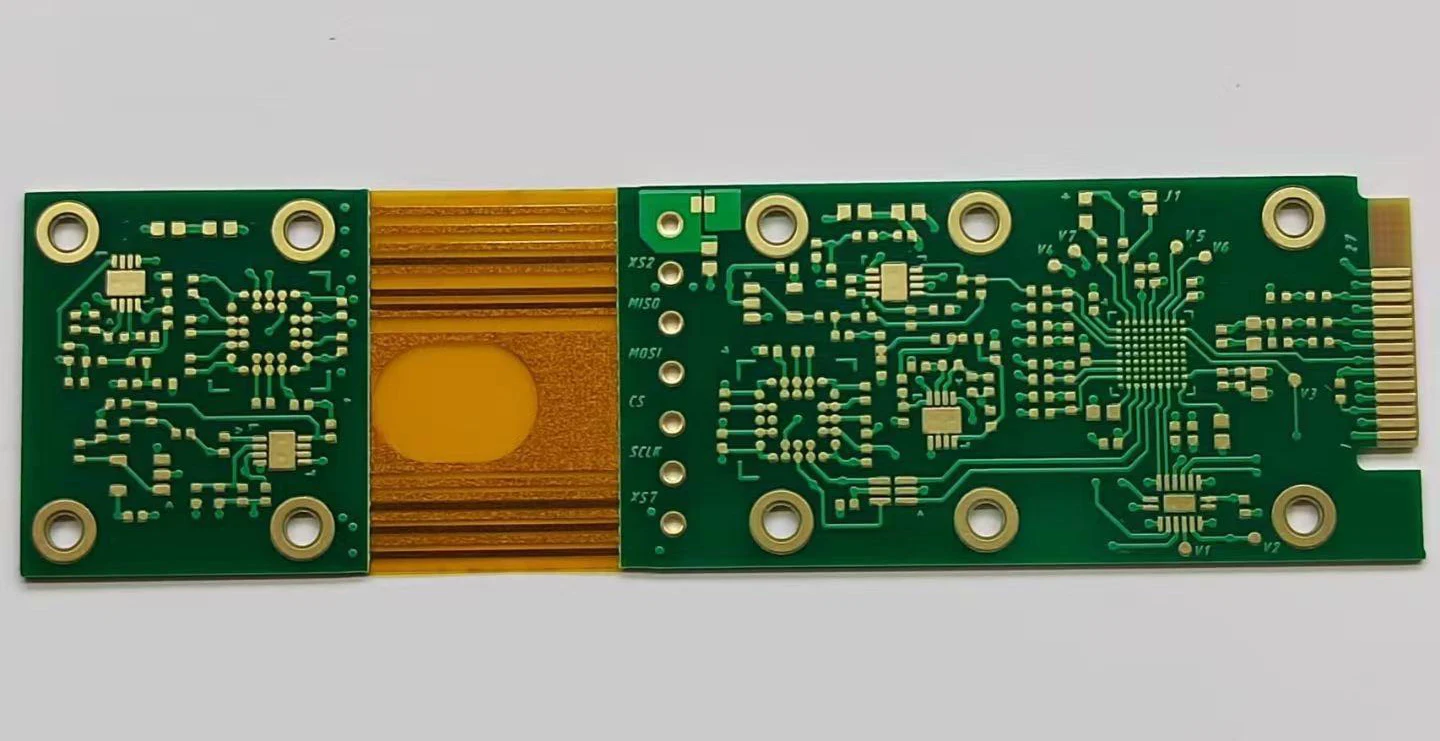
Semi-rigid printed circuit boards form a type of rigid-flex printed circuit board (R-FPCB). The conventional rigid board manufacturing process produces them by milling or cutting out openings (windows) in areas requiring [...]
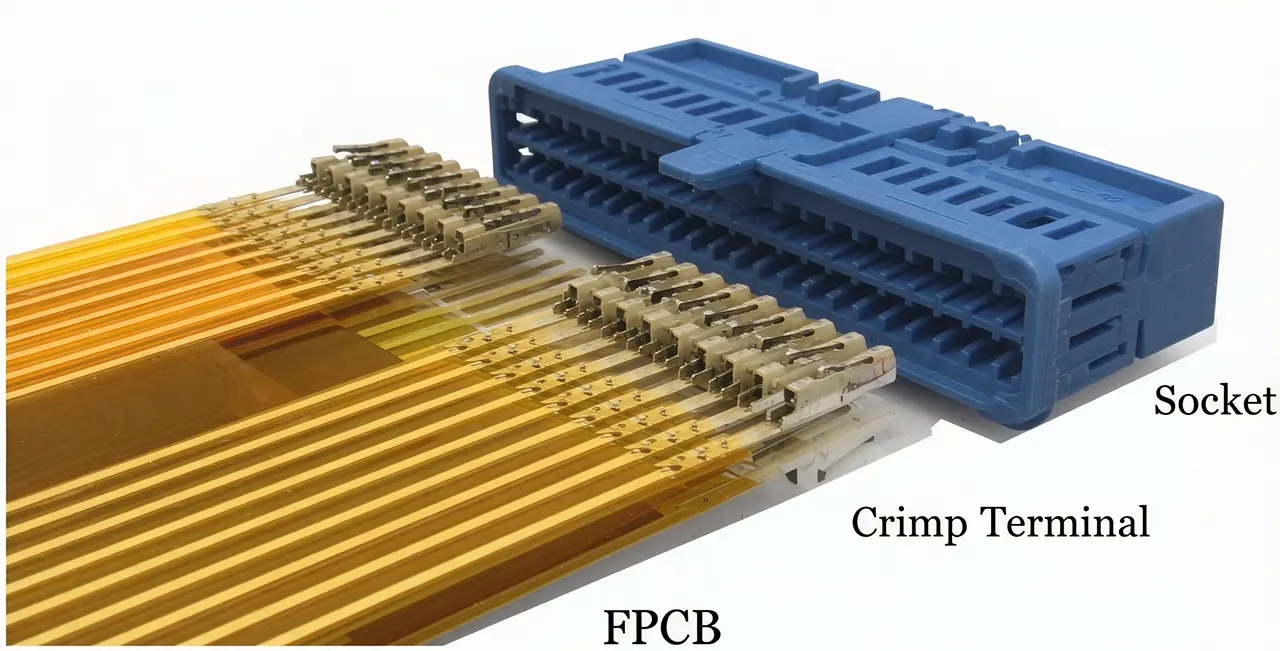
Crimp terminals connect an FPCB to a connector without soldering or laser welding: the terminal tip pierces the finger’s insulation and wraps the contact, creating electrical continuity through compression. This FPCB [...]

Gekun – Your Trusted Flex PCB Manufacturer
✉️ Contact us for flex PCB fabrication quotes
🌐 Leading flexible PCB board manufacturers since 2014
Overview
Contact
Address: 3rd Floor, Building A, Industrial 5th Road, Jiangbian Community, Songgang Street, Bao’an District, Shenzhen City, China.
Email:
Tel(Wechat): +86 18680312949
WhatsApp: +8613528899949
Copyright© 2014-2025Gekun All Rights Reserved | Flexible cirucuits Manufacturer