
RoHS and REACH compliance for flex PCB

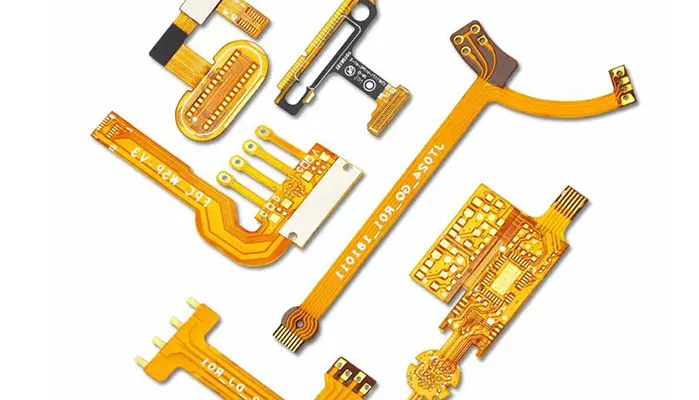
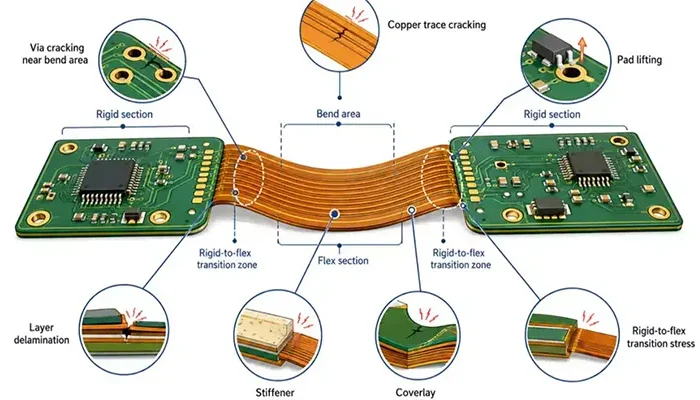

Introduction – Why Compliance Matters for Flex PCBs
Flexible printed circuit boards (flex PCBs) have rapidly transitioned from niche components into core technologies powering modern electronics.
From wearable health trackers and minimally invasive medical devices to compact IoT sensors and foldable consumer electronics, flex circuits enable lightweight designs, space optimization, and dynamic mechanical performance.
However, this technological advancement comes with a growing compliance burden.
Flex PCBs typically operate in products with short innovation cycles and global distribution. Devices may be manufactured in Asia, assembled in Europe, and sold worldwide.
In such a supply chain, regulatory compliance — especially environmental regulations like the EU Restriction of Hazardous Substances (RoHS) Directive — becomes a critical market-entry requirement rather than an optional certification.
Non-compliance can lead to severe consequences:
- Delayed shipments at customs inspection
- Restricted access to regulated markets such as the EU
- Product recalls and redesign costs
- Damage to brand reputation and supplier relationships
The European Commission introduced RoHS specifically to reduce hazardous substances in electrical and electronic equipment and protect human health and the environment while improving recyclability.
For flex PCB manufacturers, designers, and engineers, compliance is therefore not only a legal obligation but also a strategic engineering discipline.
This article provides actionable insights into why flex PCBs face unique compliance risks and how organizations can practically achieve RoHS conformity.
Unique Challenges of Flex PCB Compliance
Unlike traditional rigid boards, flex PCBs introduce material and manufacturing complexities that make regulatory compliance significantly more difficult.
Structural and Material Complexity
Flex circuits are designed using ultra-thin dielectric films — typically polyimide — combined with copper conductors, adhesives, and protective coverlays.
These multilayer constructions must withstand repeated bending, vibration, and thermal cycling while maintaining electrical reliability.
The very properties that make flex PCBs valuable also complicate compliance verification.
Polyimide films and bonding adhesives may contain additives such as plasticizers, flame retardants, or stabilizers that fall under restricted substance categories.
Because these materials are embedded within laminated stacks, detecting contaminants is more challenging than in rigid PCBs.
Additionally, flexible laminates often involve adhesive systems not present in standard FR-4 boards, increasing chemical variability across suppliers.
Fine-Pitch and High-Density Assembly Risks
Modern flex PCBs frequently support fine-pitch components and miniaturized assemblies. As conductor spacing decreases, contamination risks increase:
- Lead residues from soldering processes
- Brominated flame retardants in coatings
- Plasticizers within flexible films
Even trace amounts exceeding regulatory thresholds can cause compliance failure because RoHS limits apply at the homogeneous material level, not the finished assembly.
Thermal and Mechanical Sensitivity
Flex materials respond differently to heat compared with rigid substrates. Higher soldering temperatures may:
- degrade adhesives,
- release restricted substances,
- or alter material chemistry during reflow.
This sensitivity forces manufacturers to balance process reliability with compliance control.
Why Standard PCB Compliance Methods Fall Short
Traditional compliance workflows assume stable substrates and consistent material compositions. Flex PCBs break these assumptions because:
- material stacks vary widely between suppliers,
- flexible layers introduce hidden chemical interfaces,
- and mechanical stress may change material behavior over time.
As a result, compliance strategies designed for rigid boards cannot simply be reused; they must be adapted to flexible circuit architectures.
RoHS Compliance for Flex PCBs
Restricted Substances in Flex PCBs
The EU RoHS Directive (2011/65/EU, amended by 2015/863/EU) restricts ten hazardous substances commonly found in electronic materials.
These limits typically apply at concentrations above 0.1% by weight (0.01% for cadmium).
| Restricted Substance | Typical Source in Flex PCBs | Compliance Risk |
|---|---|---|
| Lead (Pb) | Solder alloys, plating | Legacy assembly processes |
| Mercury (Hg) | Sensors, specialty components | Imported subassemblies |
| Cadmium (Cd) | Pigments, coatings | Adhesive additives |
| Hexavalent Chromium (Cr⁶⁺) | Surface treatments | Corrosion protection layers |
| PBBs | Flame retardants | Polymer laminates |
| PBDEs | Flame retardants | Flexible films |
| DEHP | Plasticizers | Adhesives & insulation |
| BBP | Plasticizers | Bonding materials |
| DBP | Plasticizers | Coverlays |
| DIBP | Plasticizers | Flexible polymers |
The European Commission emphasizes that these restrictions aim to reduce environmental and health risks while improving the recyclability of electronic products.
For flex PCBs specifically, engineers should pay special attention to:
- adhesive bonding layers,
- coverlay films,
- flexible laminates,
- conformal coatings.
These materials often originate from chemical suppliers rather than PCB fabricators, increasing traceability complexity.
Practical Compliance Tips for Flex PCB Manufacturers
Achieving RoHS compliance in flexible circuits requires integration across procurement, engineering, and quality assurance rather than a final-stage inspection.
Material sourcing plays the first and most critical role. Selecting RoHS-certified laminates and adhesives significantly reduces downstream risk. Supplier declarations should include full material disclosure rather than general compliance statements.
Process optimization is equally important. Because flex substrates are heat-sensitive, manufacturers often lower or tightly control reflow temperature profiles.
This reduces degradation that could release restricted substances or alter chemical composition.
Verification must also evolve beyond traditional approaches. Effective programs typically combine:
- supplier documentation,
- periodic laboratory testing (XRF or wet chemistry),
- and batch-level traceability.
A layered verification strategy is especially important because flex circuits contain multiple bonded materials that cannot be inspected visually after lamination.
Case Example: Avoiding RoHS Failure in a Wearable Device
Consider a wearable electronics startup preparing to launch a smart health monitoring device in the European market.
During pre-compliance testing, elevated phthalate levels were detected in the flex PCB assembly — not in the copper circuitry, but within the coverlay adhesive supplied by a secondary vendor.
Although the PCB fabricator claimed RoHS compliance, the adhesive supplier had updated its formulation without revising documentation.
The company avoided a costly product recall by implementing three corrective actions:
- Switching to fully traceable RoHS-certified adhesive systems
- Introducing incoming material validation testing
- Requiring homogeneous-material declarations from all tier-2 suppliers
The redesign delayed production by only two weeks but prevented potential market rejection and regulatory penalties.
This example illustrates a key lesson: in flex PCB compliance, risk often originates from hidden materials rather than visible electronics.
RoHS vs. REACH: Understanding the Difference
As environmental regulations expand worldwide, electronics manufacturers increasingly encounter two major European regulatory frameworks:
RoHS and REACH. Although both aim to reduce hazardous substances, they operate under fundamentally different regulatory philosophies and compliance mechanisms.
RoHS focuses specifically on electrical and electronic equipment (EEE), restricting certain hazardous substances directly within finished products. REACH, on the other hand, governs chemicals themselves across all industries, requiring manufacturers and importers to demonstrate safe chemical use throughout the supply chain.
The distinction is critical for flex PCB manufacturers because flexible circuits combine electronics manufacturing with advanced chemical materials such as polymers, adhesives, and coatings — placing them directly under both regulatory regimes.
RoHS vs. REACH Comparison
| Aspect | RoHS | REACH |
|---|---|---|
| Scope | Electrical & electronic equipment | All products and chemical substances |
| Restricted Substances | 10 regulated substances | Hundreds to thousands (SVHC list continuously expanding) |
| Limits | ≤0.1% for most substances; ≤0.01% Cd | Substance-specific limits and authorization rules |
| Industry Coverage | Electronics industry | All industries including electronics |
| Authority | Directive enforced by regulators | Registration system managed by European Chemicals Agency (ECHA) |
RoHS restrictions originate from Directive 2011/65/EU and its amendments, while REACH (EC No. 1907/2006) establishes a comprehensive framework requiring chemical registration, evaluation, authorization, and restriction within the European Union.
According to the European Chemicals Agency, the Candidate List of Substances of Very High Concern (SVHC) continues to grow as new risks are identified, exceeding 200 substances today and expanding regularly. (European Chemicals Agency, ECHA)
For flex PCBs, this means compliance is not static; materials compliant today may require reassessment tomorrow.
Overlapping Requirements
Despite structural differences, RoHS and REACH share several operational goals. Both regulations seek to minimize human exposure to hazardous chemicals and reduce environmental contamination during manufacturing, usage, and recycling phases.
From a manufacturer’s perspective, the overlap becomes visible in supply chain management. Both frameworks require traceability of materials down to homogeneous substance levels, forcing electronics companies to collect detailed chemical information from suppliers.
In practice, a single flex PCB assembly may need to comply with both regulations simultaneously:
- RoHS ensures restricted substances remain below defined thresholds.
- REACH evaluates whether any material contains SVHC substances requiring disclosure or authorization.
This dual requirement transforms compliance into a continuous lifecycle process rather than a one-time certification event.
Compliance Process for Electronics Manufacturers
Achieving regulatory compliance in electronics manufacturing involves coordinated collaboration between engineering, procurement, quality assurance, and regulatory teams. For flex PCB production, the process typically begins long before fabrication starts.
The first step is identifying hazardous substances embedded within materials and components. Because flexible circuits contain polymers, laminates, adhesives, and coatings sourced from multiple suppliers, material transparency becomes essential.
Manufacturers must obtain accurate chemical composition data rather than relying solely on generic compliance statements.
Supply chain engagement follows as a central activity. Suppliers must provide declarations aligned with RoHS and REACH requirements, often supported by standardized documentation formats such as IPC-1752 material declarations.
Digital compliance systems increasingly support this stage. Classification standards like ECLASS or centralized material databases allow organizations to track substance data, manage compliance status, and update product records efficiently as regulations evolve.
Testing remains a verification layer rather than the sole compliance method. Accredited laboratories conduct screening techniques such as X-ray fluorescence (XRF) analysis or chemical testing to validate supplier claims.
Certificates generated through these tests support regulatory audits and customer qualification requirements.
Equally important is documentation maintenance. Technical files, Bills of Materials (BOMs), supplier declarations, and testing reports must be continuously updated.
Regulatory authorities may request proof years after product release, making long-term record management a critical compliance responsibility.
Impact on Electronics Manufacturing
Environmental regulations do more than restrict substances; they reshape how electronics products are designed, sourced, and manufactured.
Flex PCB production illustrates this transformation clearly because materials and processes are tightly interconnected.
Product Design and Material Selection
Compliance considerations increasingly begin at the design stage. Engineers must evaluate whether materials or components introduce restricted chemicals such as lead, mercury, or cadmium before finalizing circuit layouts.
Design teams often adopt environmentally safer alternatives early in product development to avoid redesign costs later. When restricted materials are identified in a Bill of Materials, several substitution strategies may be considered.
| Replacement Strategy | Description | Typical Use Case |
|---|---|---|
| Drop-in Replacement | Same function and footprint | Updating RoHS-noncompliant components |
| Equivalent Component | Similar performance specifications | Supplier change or lifecycle updates |
| Alternative Component | Different technology or material | Eliminating hazardous substances entirely |
Early material decisions significantly influence compliance success, especially for flex PCBs where redesigns can affect mechanical reliability and bending performance.
Supply Chain and Sourcing Challenges
Modern electronics supply chains span multiple countries and supplier tiers. A single flex PCB may include materials from chemical producers, laminate manufacturers, PCB fabricators, and assembly providers.
Tracking compliance across this ecosystem introduces operational complexity. Manufacturers must maintain continuous communication with suppliers and verify that material declarations remain current as formulations change.
Regulatory updates add another layer of difficulty. REACH SVHC lists are updated approximately twice per year, requiring organizations to reassess products regularly.
Training procurement and engineering teams to understand regulatory impacts becomes essential for preventing compliance gaps.
These activities introduce financial and administrative burdens, yet they also strengthen supplier transparency and risk management capabilities.
Manufacturing Process Adjustments
Compliance requirements frequently lead to manufacturing changes rather than simple documentation updates. When hazardous substances are restricted, manufacturers must adapt processes accordingly.
Material substitutions may require validation testing to confirm electrical and mechanical performance. For flex PCBs, replacing adhesives or coatings can affect flexibility, thermal endurance, and long-term reliability.
Manufacturers also implement enhanced documentation workflows linking materials, batches, and testing results. Certification testing ensures products meet regulatory thresholds before shipment.
Balancing sustainability goals with production cost remains an ongoing challenge. Environmentally safer materials may initially increase expenses, but improved recyclability and regulatory acceptance often reduce lifecycle risk and long-term operational costs.
Market Access and Global Trade
Compliance with RoHS and REACH is effectively mandatory for companies seeking access to the European market. Customs authorities and market surveillance agencies may request technical documentation demonstrating conformity at any stage of distribution.
Non-compliance carries significant consequences, including product recalls, financial penalties, and exclusion from regulated markets. According to European Commission guidance, manufacturers bear primary responsibility for ensuring compliant products enter the EU supply chain.
Conversely, strong compliance programs provide competitive advantages. Companies demonstrating transparent material control and environmental responsibility often gain faster customer approvals and improved trust from global partners.
In an increasingly regulated electronics industry, compliance has evolved from a legal obligation into a market differentiator supporting sustainable growth and international expansion.
Conclusion
As flexible electronics continue to expand across wearables, medical technology, automotive systems, and IoT devices, regulatory compliance has become inseparable from successful product development.
RoHS and REACH are no longer viewed simply as environmental regulations; they now function as global market entry requirements that directly influence engineering decisions, supply chain transparency, and manufacturing operations.
Throughout this discussion, one key insight emerges: compliance for flex PCBs is inherently more complex than for traditional rigid boards.
The multilayer structure of flexible circuits — combining polyimide films, adhesives, coatings, and fine-pitch assemblies — introduces chemical variability that standard PCB compliance workflows cannot fully address.
Hidden materials within laminates or bonding layers often represent the highest regulatory risk, making early material verification and supplier collaboration essential.
RoHS establishes clear substance limits that guide safer electronics design, while REACH extends responsibility further by requiring ongoing chemical evaluation and disclosure across the entire product lifecycle.
Together, these frameworks push manufacturers toward greater material awareness, improved documentation practices, and environmentally responsible innovation.
Companies that treat compliance as a late-stage certification step often encounter redesign costs and supply disruptions, whereas organizations that integrate compliance into their design and sourcing processes achieve faster approvals and reduced long-term risk.
The impact extends beyond regulatory avoidance. Effective compliance programs strengthen supplier relationships, improve traceability, and enhance product credibility in global markets.
Increasingly, customers and regulators view compliance maturity as an indicator of manufacturing quality and corporate responsibility. In this sense, environmental compliance becomes a competitive differentiator rather than merely a legal obligation.
Looking ahead, regulatory expectations will continue to evolve. Expanding REACH substance lists, sustainability reporting requirements, and emerging initiatives such as digital product passports signal a future where material transparency is standard practice across the electronics industry.
Flex PCB manufacturers that invest today in robust compliance systems, data management, and cross-functional collaboration will be better positioned to adapt to these changes.
Ultimately, successful flex PCB compliance is not achieved through testing alone but through a holistic approach that connects design, materials, manufacturing, and supply chain management.
By embedding compliance into the product lifecycle from concept to commercialization, electronics manufacturers can reduce risk, enable sustainable innovation, and confidently access global markets in an increasingly regulated world.
Sources
- European Commission — Restriction of Hazardous Substances (RoHS) Directive Overview
https://environment.ec.europa.eu/topics/waste-and-recycling/rohs-directive_en - European Chemicals Agency (ECHA) — REACH Regulation Overview and SVHC Candidate List
https://echa.europa.eu/regulations/reach - Directive 2011/65/EU (RoHS) & Regulation (EC) No 1907/2006 (REACH), Official Journal of the European Union