
FPCs for Power and Energy Storage: Manufacturing, Busbar Sensing, and Assembly
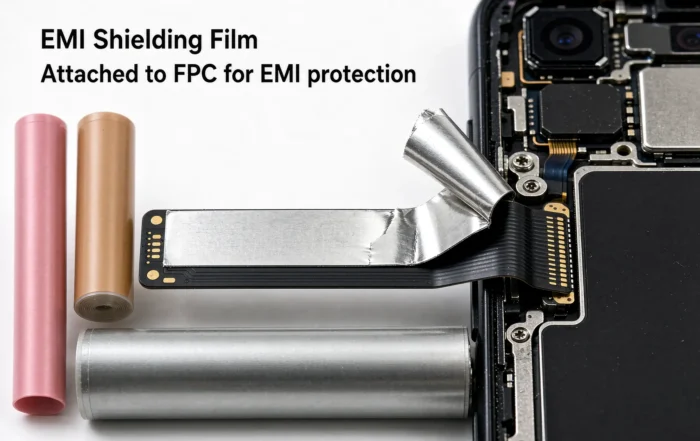
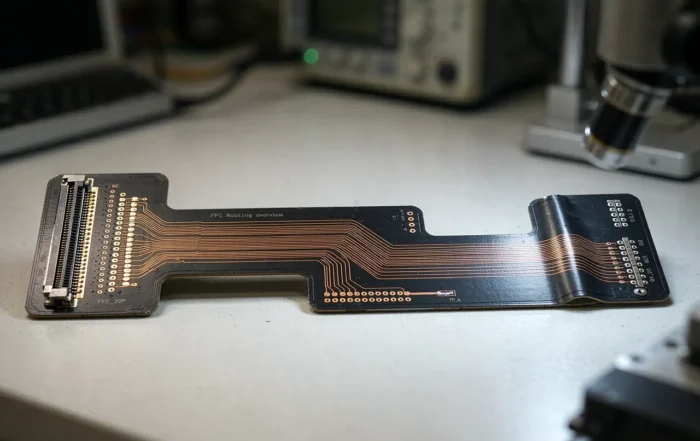
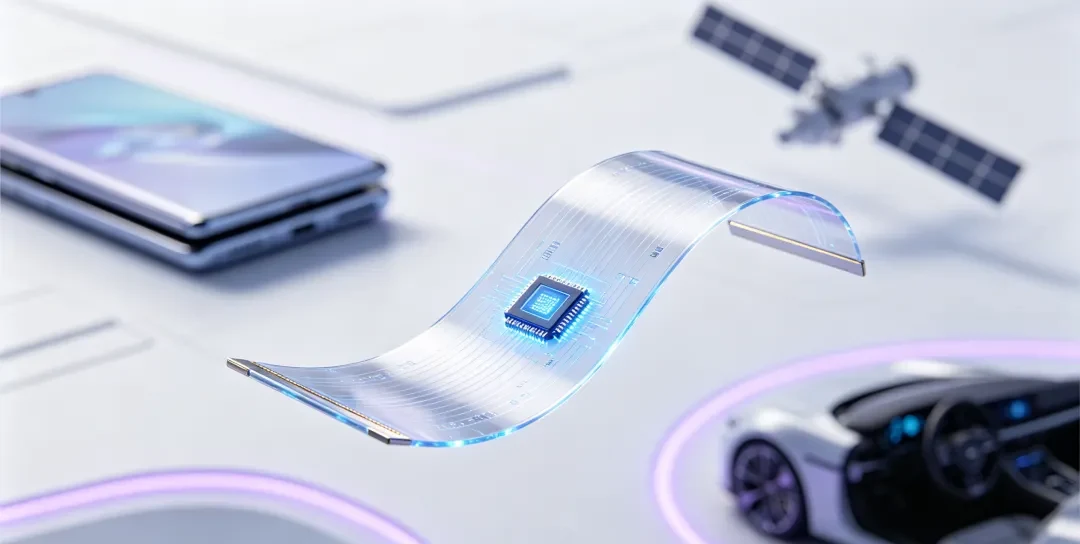
FPCs for power and energy storage are flexible printed circuits that carry signals and current inside battery packs, inverters, and storage racks. They replace heavy wire harnesses with thin copper traces on flexible film. This guide covers manufacturing, busbar sensing, assembly, and the technical requirements behind reliable power designs.
What Are FPCs for Power and Energy Storage?
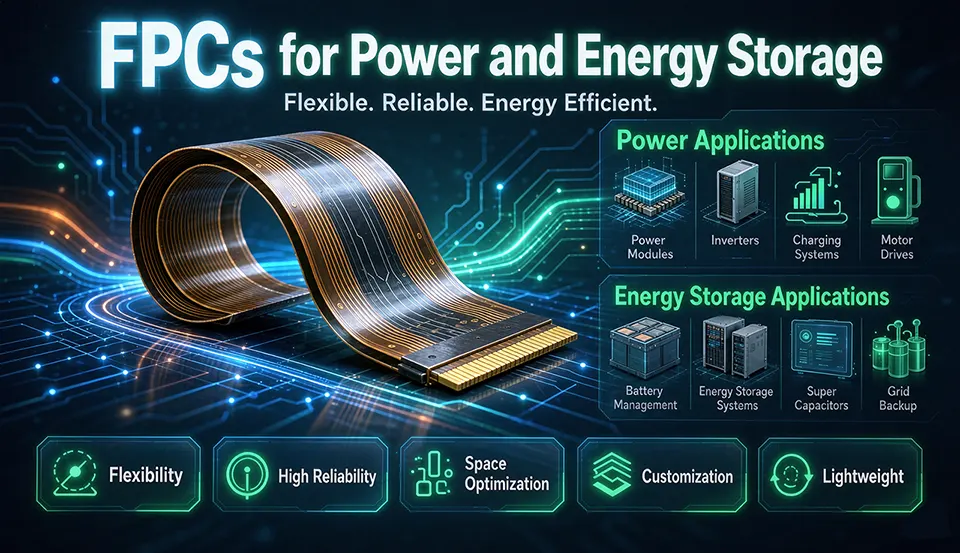
FPCs for Power and Energy Storage
These circuits are a class of flexible PCBs built for power and energy applications. Common constructions include single-sided flex, double-sided flex, multilayer flex, and rigid-flex boards. Gekun, a Shenzhen flex PCB manufacturer since 2014, produces these formats for power and storage designs. The flexible base lets the circuit bend into tight spaces. Therefore, designers can route sensing and power lines around cells, busbars, and connectors.
Why FPC Busbar Sensing Matters in Power Systems
FPC busbar sensing uses a flexible circuit to monitor voltage and temperature near a busbar. It replaces separate sensor wires with one integrated flex harness. This saves space and reduces assembly steps. Also, the thin profile fits between stacked cells and modules. For example, a sensing FPC can connect a busbar to a battery management board. As a result, the pack stays compact and serviceable.
Energy Storage FPC Assembly: Process and Design Points
Energy storage FPC assembly joins the flex circuit to connectors, busbars, and control boards. The process often uses SMT assembly for components and soldering or welding for power tabs. Designers should define bend areas, copper thickness, and strain relief early. In addition, they should keep sensing traces away from high-current paths. This layout lowers noise and improves measurement stability.
Manufacturing Processes for Power and Energy Storage FPCs
FPC manufacturing follows a clear sequence. First, material preparation and cutting shape the flexible substrate. Next, drilling creates vias and through holes. Then, copper plating builds conductive layers. After that, etching defines the circuit pattern. Lamination bonds the layers, and a surface finish protects exposed copper. Finally, SMT assembly attaches components. Each step affects yield and long-term reliability.
Technical Requirements for High-Current and High-Voltage FPCs
Power designs demand more than basic signal routing. Copper thickness, trace width, and layer count must match the current load. Insulation and spacing must suit the working voltage. Thermal management also matters, because heat shortens flex life. In addition, bend radius and flex cycles shape the mechanical layout. Therefore, power and sensing functions often use separate zones on one FPC.
Markets and Applications
FPCs for power and energy storage appear in new energy vehicles and energy storage systems. They also serve mobile phones, consumer electronics, medical devices, industrial automation, and high-end automotive electronics. Each market has its own rules. For example, automotive and industrial users focus on vibration and heat. Medical devices stress cleanliness and stable signal quality. Energy storage systems stress cycle life and safety.
Choosing a Manufacturing Partner
Choose a supplier with flex and rigid-flex experience. Gekun has manufactured flexible circuits since 2014. The company offers single sided flex, double sided flex, multilayer flex, rigid-flex PCB, and flex PCB assembly. Its markets include mobile phone, consumer electronic, medical devices, industrial automation, and high-end automotive. For power and storage projects, ask for design review, material selection, and assembly support. Contact Gekun for a flex PCB fabrication quote.
FAQ
What are FPCs for power and energy storage?
FPCs for power and energy storage are flexible printed circuits designed for battery packs, inverters, and storage racks. They carry power and sensing signals on a thin, bendable substrate. Common types include single-sided, double-sided, multilayer, and rigid-flex.
How does FPC busbar sensing work?
FPC busbar sensing places a flexible circuit near a busbar. The circuit connects voltage and temperature points to a control board. This integrated approach replaces separate wires. It saves space and can reduce assembly steps.
What is energy storage FPC assembly?
Energy storage FPC assembly is the process of attaching a flex circuit to connectors, busbars, and control boards. It often combines SMT assembly with soldering or welding for power tabs. Good design defines bend areas, copper thickness, and strain relief before production.
Related Posts
- Power and Energy Storage FPCs Guide — Related article
- Rigid-Flex PCB Blog | Storage & Failure Guides — Related article
- FPC Design for Formula Student Race Cars: Methodology — Related article
- Flex PCB Applications: Key Use Cases & Industries — Related article
- Flexible PCB Gesture Recognition System for Wearables — Related article