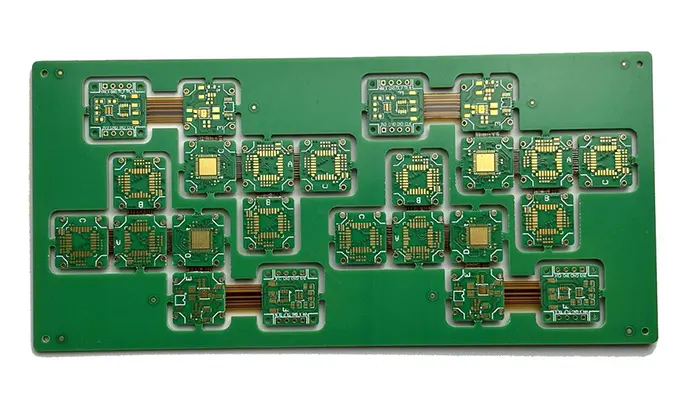
Best Rigid-Flex PCB Manufacturers in the World (2026 Guide)

Introduction

As electronic devices become smaller, lighter, and more powerful, traditional printed circuit board technologies are increasingly reaching their design limitations. Engineers are now expected to integrate more functionality into tighter spaces while maintaining reliability under demanding operating conditions.

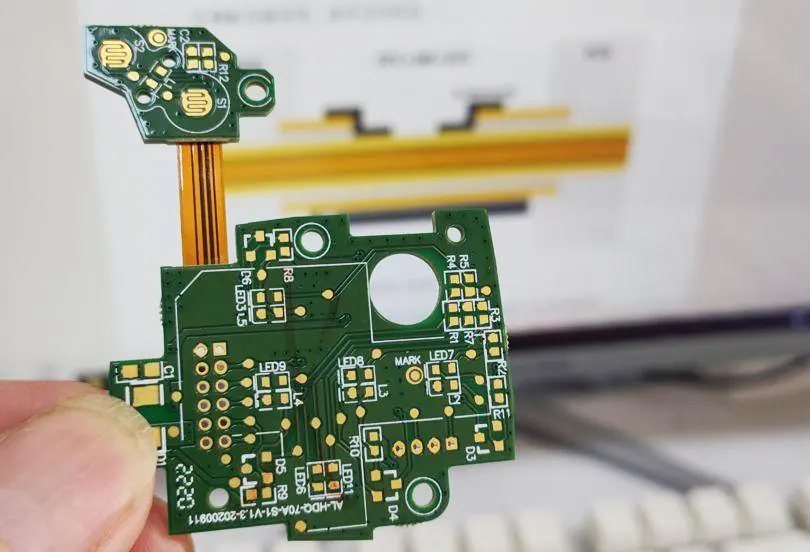
This shift has accelerated the adoption of rigid-flex printed circuit boards (PCBs), a technology that combines the structural stability of rigid boards with the versatility of flexible circuits.

Rigid-flex PCBs have evolved from a niche solution used primarily in military and aerospace systems into a mainstream technology found in electric vehicles, wearable devices, medical equipment, industrial automation systems, and AI computing hardware.

By eliminating connectors and reducing wiring complexity, rigid-flex designs enable compact product architectures while improving mechanical durability and signal integrity.

The growing importance of rigid-flex technology is reflected in market forecasts.

According to Future Market Insights, the global rigid-flex PCB market is expected to reach approximately USD 27.2 billion in 2025 and grow to USD 76.5 billion by 2035, representing a compound annual growth rate (CAGR) of 10.9%.

This growth is being driven by increasing demand for compact, lightweight, and highly reliable electronic systems across multiple industries.

For product developers and sourcing managers, selecting the right manufacturing partner has become just as important as selecting the right PCB technology.

A poorly qualified supplier can introduce quality issues, certification challenges, production delays, and unexpected engineering costs that may significantly impact product launches and profitability.

This guide examines the characteristics that distinguish the world’s best rigid-flex PCB manufacturers.

Instead of simply presenting a list of suppliers, we focus on the technical, manufacturing, and quality factors that determine whether a manufacturer can successfully support demanding applications in automotive, medical, aerospace, industrial, and consumer electronics markets.

What Separates the Best Rigid-Flex PCB Manufacturers from Average Suppliers?

Many PCB suppliers claim to manufacture rigid-flex boards, but only a limited number possess the engineering expertise, manufacturing infrastructure, and quality systems required for high-reliability applications.

The difference between an average supplier and a leading manufacturer often becomes evident only after production begins.

Delamination, impedance inconsistencies, low yields, material incompatibilities, and extended lead times can quickly turn a seemingly low-cost supplier into an expensive mistake.

Engineering Capability

The most capable manufacturers invest heavily in advanced engineering resources.

Their facilities support HDI technologies, blind and buried vias, sequential lamination processes, laser-drilled microvias, and fine-pitch routing suitable for modern electronic products.

These capabilities are particularly important in AI computing, automotive electronics, and medical equipment, where high component density and signal integrity requirements continue to increase.

Manufacturing Capability

Production capability extends beyond technical specifications.

Leading rigid-flex PCB manufacturers must demonstrate proficiency across the entire product lifecycle, from rapid prototyping to high-volume manufacturing.

A supplier capable of supporting both prototype validation and mass production reduces risk during product development and simplifies supply chain management.

Quality Certifications

Certifications provide an objective measure of a manufacturer’s quality management systems and industry compliance.

CertificationImportance
ISO 9001General quality management
IATF 16949Automotive manufacturing
ISO 13485Medical devices
UL CertificationProduct safety compliance
IPC Class 3High-reliability electronics

Manufacturers serving aerospace, defense, automotive, and medical sectors typically maintain multiple certifications to satisfy customer requirements and regulatory standards.

Technical Support

Engineering support is frequently overlooked during supplier selection.

The best manufacturers provide extensive design-for-manufacturing (DFM) reviews, stack-up optimization, impedance analysis, and material recommendations during early project stages.

This collaborative approach reduces manufacturing risk, improves yields, and shortens product development cycles.

Delivery Performance

In today’s competitive electronics industry, delivery reliability is nearly as important as manufacturing quality.

Leading suppliers distinguish themselves through predictable prototype turnaround times, transparent production scheduling, and strong supply chain management practices.

Manufacturers capable of delivering prototypes within days and maintaining stable lead times during mass production often provide substantial advantages for OEMs and product developers.

How We Ranked the Best Rigid-Flex PCB Manufacturers

Selecting the best rigid-flex PCB manufacturers requires more than reviewing marketing materials or production capacity claims.

To provide a balanced evaluation, our ranking methodology focuses on measurable factors that directly influence manufacturing quality, project success, and long-term supplier performance.

The ranking system incorporates six key criteria covering technical capability, production scale, quality assurance, customer support, and innovation.

Evaluation Framework

Ranking FactorWeight
Manufacturing Scale25%
Technical Capability25%
Quality Certifications20%
Industry Experience15%
Customer Support10%
Innovation & R&D5%

Manufacturing scale evaluates production capacity, facility investment, and ability to support global customers.

Technical capability assesses HDI expertise, layer count capability, microvia technology, and advanced rigid-flex manufacturing processes.

Quality certifications measure compliance with international standards, while industry experience reflects proven performance across demanding sectors such as automotive, aerospace, medical, and industrial electronics.

Customer support evaluates engineering assistance and communication effectiveness, while innovation examines investments in next-generation manufacturing technologies.

This methodology provides a more balanced view than rankings based solely on company size or annual revenue, helping buyers identify manufacturers capable of meeting both current and future project requirements.

Top 15 Best Rigid-Flex PCB Manufacturers in the World (2026 Ranking)

The global rigid-flex PCB industry is dominated by a relatively small group of manufacturers with advanced engineering capabilities, large-scale production facilities, and proven experience serving high-reliability markets.

While thousands of PCB fabricators operate worldwide, only a limited number possess the technology, certifications, and manufacturing infrastructure necessary to support complex rigid-flex PCB projects for automotive, aerospace, medical, AI computing, and telecommunications applications.

The following ranking evaluates manufacturers based on production scale, technical capability, industry reputation, quality certifications, engineering support, and market influence.

Overview of Leading Rigid-Flex PCB Manufacturers

RankManufacturerHeadquartersKey Strength
1TTM TechnologiesUSAAerospace, defense, advanced PCB solutions
2AT&SAustriaHigh-end HDI and IC substrates
3Zhen Ding TechnologyTaiwanWorld’s largest PCB manufacturer
4Nippon MektronJapanFlexible and rigid-flex innovation
5UnimicronTaiwanHDI and IC carrier technology
6Sumitomo ElectricJapanAdvanced materials and automotive electronics
7Shennan CircuitsChinaHigh-reliability communications PCBs
8Flexium InterconnectTaiwanFlexible and wearable electronics
9SanminaUSAIntegrated manufacturing services
10InterflexSouth KoreaMobile and automotive applications
11DSBJ (Dongshan Precision)ChinaLarge-scale electronics manufacturing
12Career TechnologyTaiwanConsumer electronics and wearable devices
13Tripod TechnologyTaiwanIndustrial and automotive PCBs
14Viasion TechnologyChinaPrototyping and medium-volume production
15RayMing TechnologyChinaRapid prototyping and turnkey services

1. TTM Technologies

Headquartered in Santa Ana, California, TTM Technologies is widely recognized as one of the world’s most advanced PCB manufacturers.

The company operates more than 20 manufacturing facilities worldwide and serves over 1,300 customers across aerospace, defense, automotive, data center, networking, medical, and industrial sectors.

TTM generated approximately $2.9 billion in revenue during fiscal year 2025, representing strong growth driven largely by AI infrastructure and aerospace applications.

What distinguishes TTM from many competitors is its ability to manufacture highly complex rigid-flex, HDI, RF, and substrate-like PCBs while providing comprehensive engineering support.

The company is also one of the largest suppliers of advanced PCBs to the U.S. defense industry.

Best for: Aerospace, defense, medical electronics, AI servers, and mission-critical applications.

Potential limitations: Higher costs compared with Asian manufacturers and a stronger focus on enterprise-level customers.

2. AT&S

Founded in Austria, AT&S has established itself as one of Europe’s leading manufacturers of high-end PCBs and IC substrates.

The company is particularly known for advanced HDI technologies, substrate-like PCBs, and sophisticated rigid-flex solutions used in automotive electronics, industrial systems, medical devices, and communications infrastructure.

AT&S continues to invest heavily in advanced packaging and semiconductor substrate technologies, positioning itself as a key supplier for AI computing and high-performance electronics.

Its reputation for quality and innovation has made it a preferred supplier for many premium technology brands.

What makes AT&S stand out is its ability to bridge traditional PCB manufacturing with next-generation semiconductor packaging technologies, creating significant advantages for customers developing advanced computing products.

3. Zhen Ding Technology

Zhen Ding Technology has evolved into the world’s largest PCB manufacturer by revenue and has maintained this leadership position for multiple consecutive years. The company reported revenue of approximately NT$182.5 billion (about USD 5.8 billion) in 2025, supported by strong demand from AI servers, optical communications, smartphones, and automotive electronics.

Originally focused on flexible circuits, Zhen Ding has expanded into virtually every major PCB category, including rigid-flex PCBs, HDI boards, IC substrates, and advanced packaging solutions.

Its manufacturing footprint spans China, Taiwan, Thailand, and other strategic locations.

Global technology brands choose Zhen Ding because of its unmatched manufacturing scale, strong vertical integration, and extensive investment in research and development.

The company’s growing focus on AI-related applications is expected to further strengthen its market position in the coming years.

4. Nippon Mektron

Nippon Mektron, a subsidiary of Nitto Denko, is widely regarded as one of the pioneers of flexible circuit technology.

Established in Japan, the company has decades of experience supplying advanced flex and rigid-flex solutions to automotive manufacturers, medical device companies, and consumer electronics brands.

Its expertise in ultra-thin flexible circuits and high-reliability interconnect solutions has made it one of the most respected names in the global flexible electronics industry.

Nippon Mektron remains particularly strong in applications where mechanical flexibility and long-term reliability are critical.

5. Unimicron

Based in Taiwan, Unimicron is one of the world’s largest manufacturers of HDI boards, IC substrates, flexible PCBs, and rigid-flex PCBs.

The company serves a diverse customer base across computing, networking, automotive, and consumer electronics industries.

Unimicron has built a strong reputation through continuous investment in advanced manufacturing technologies, particularly in high-density interconnect and substrate production.

Its ability to support both high-volume manufacturing and advanced technical requirements makes it a preferred partner for leading electronics brands.

6. Sumitomo Electric

Sumitomo Electric Industries leverages more than a century of expertise in materials science and electronic interconnect technologies.

The company’s rigid-flex PCB solutions are particularly valued in automotive, industrial, robotics, and medical applications where environmental durability is essential.

Its strengths include high-temperature materials, advanced flexible substrates, and sophisticated signal transmission technologies designed for next-generation electronics.

7. Shennan Circuits

Shennan Circuits has become one of China’s most respected PCB manufacturers, particularly in high-reliability markets such as telecommunications, networking infrastructure, AI servers, aerospace, and industrial electronics.

The company is known for its strong engineering capabilities, rigorous quality control systems, and advanced HDI manufacturing technologies.

As China’s domestic semiconductor and AI industries continue to expand, Shennan’s strategic importance within the global PCB supply chain is expected to grow further.

8. Flexium Interconnect

Flexium Interconnect is one of the leading manufacturers specializing in flexible and rigid-flex circuits.

Headquartered in Taiwan, the company supplies products for wearable devices, smartphones, automotive electronics, medical equipment, and display technologies.

Its expertise in ultra-thin flexible circuitry and high-density designs makes it especially competitive in space-constrained applications.

9. Sanmina

Sanmina differs from many PCB suppliers because it offers fully integrated manufacturing services, including PCB fabrication, PCB assembly, system integration, and testing.

This vertically integrated approach enables customers to streamline supply chains while maintaining high quality standards.

Sanmina serves medical, aerospace, defense, industrial, telecommunications, and cloud infrastructure markets.

10. Interflex

Based in South Korea, Interflex specializes in advanced flexible and rigid-flex circuit technologies. The company is particularly strong in smartphone modules, automotive electronics, wearable devices, and display systems.

Its close relationships with major electronics brands have enabled Interflex to remain a significant player in the global flex circuit market.

11. DSBJ (Dongshan Precision)

Dongshan Precision Manufacturing, commonly known as DSBJ, is one of China’s largest electronics manufacturing groups.

The company expanded significantly through strategic acquisitions and now operates globally across PCB manufacturing, electronic assemblies, and precision components.

DSBJ’s rigid-flex PCB capabilities support automotive electronics, communications infrastructure, consumer devices, and industrial systems.

12. Career Technology

Career Technology has established itself as one of Taiwan’s leading flexible circuit manufacturers. Its products are widely used in smartphones, tablets, wearable devices, and automotive electronics.
The company’s combination of advanced manufacturing technologies and global production resources has allowed it to become a preferred supplier for many multinational electronics companies.

13. Tripod Technology

Tripod Technology is one of Taiwan’s largest PCB manufacturers and has extensive experience serving automotive, industrial, communications, and computing markets.

Its strengths include large-scale manufacturing capacity, strong process control, and the ability to support high-volume production programs for global OEMs.

14. Viasion Technology

Founded in 2007, Viasion Technology has earned a strong reputation among customers seeking flexible production volumes, responsive customer support, and competitive pricing.

The company provides rigid-flex PCB fabrication, PCB assembly, and electronic manufacturing services, making it an attractive option for startups, SMEs, and medium-volume production projects.

15. RayMing Technology

RayMing Technology has become well known within the PCB prototyping market because of its rapid turnaround capabilities and engineering support services.

The company offers rigid-flex PCB manufacturing, PCB assembly, and design assistance for customers worldwide.

Comparative Assessment of the Top Manufacturers

The best manufacturer ultimately depends on project requirements rather than company size alone.

ApplicationRecommended Manufacturer
Aerospace & DefenseTTM Technologies
AI Servers & Data CentersZhen Ding Technology
Automotive ElectronicsAT&S, Sumitomo Electric
Medical DevicesTTM Technologies, Sanmina
Wearables & Consumer ElectronicsFlexium, Career Technology
High-Volume ManufacturingZhen Ding Technology, Unimicron
Rapid PrototypingViasion Technology, RayMing Technology
Telecommunications InfrastructureShennan Circuits

For organizations developing mission-critical products, manufacturers such as TTM Technologies, AT&S, Zhen Ding Technology, and Unimicron remain among the strongest choices due to their advanced technical capabilities and proven track records.

Meanwhile, companies seeking greater flexibility, faster prototyping, or cost-efficient production often find strong value in suppliers such as Gekunflex and RayMing Technology.

Gekunflex is a flexible and rigid-flex PCB supplier that focuses on customized interconnect solutions for mid-range industrial applications.

Rather than competing directly with large-scale giants in ultra-high-volume production, it is positioned more as a service-oriented engineering manufacturer.

Key characteristics commonly associated with Gekunflex’s positioning include:

  • Strong focus on custom, flexible, and rigid-flex circuit design support
  • Capability to handle prototype-to-small batch production transitions
  • Emphasis on engineering collaboration during early-stage design optimization
  • Support for mixed-complexity builds (flex circuits, rigid-flex assemblies, and hybrid interconnect systems)
  • Suitable for industrial electronics, consumer devices, and general-purpose embedded systems

From a sourcing strategy perspective, suppliers like Gekunflex typically fill the gap between:

  • High-end mass-production manufacturers (e.g., Zhen Ding, Unimicron)
  • Ultra-fast prototype houses (e.g., RayMing, Viasion)

This makes them relevant for companies seeking a balance between engineering flexibility, moderate pricing, and reliable delivery consistency, especially during product development cycles where design iterations are frequent.

Frequently Asked Questions

  • Which Company Offers the Best Rigid-Flex PCB Prototypes?

For rapid prototyping and low-volume production, RayMing Technology and Viasion Technology are frequently recommended due to their fast turnaround times, flexible order quantities, and engineering support capabilities.

  • What Certifications Should a Rigid-Flex PCB Manufacturer Have?

The most important certifications depend on the target industry. ISO 9001 is generally considered essential, while ISO 13485 is important for medical devices and IATF 16949 is required for automotive applications.

High-reliability products may also require IPC Class 3 compliance and UL certification.

  • How Much Does a Rigid-Flex PCB Cost in 2026?

Rigid-flex PCB pricing varies significantly depending on layer count, materials, complexity, and order quantity.

Product TypeTypical Cost Range
2–4 Layer PrototypeUSD 80–300
6–10 Layer Rigid-Flex PCBUSD 300–1,200
HDI / Advanced Rigid-Flex PCBUSD 1,000–5,000+

Actual costs depend on design complexity, via structures, testing requirements, and production volume.

  • Which Country Has the Strongest Rigid-Flex PCB Industry?

China currently dominates global PCB manufacturing due to its mature supply chain, manufacturing scale, and extensive production infrastructure.

Taiwan, Japan, South Korea, and the United States also maintain strong positions in high-end and specialized PCB technologies.

  • How Long Does Rigid-Flex PCB Production Take?

Prototype production typically requires 3–10 business days, while mass production generally requires 2–6 weeks depending on design complexity, materials, and production volume.

Conclusion: Which Is the Best Rigid-Flex PCB Manufacturer?

There is no single manufacturer that is ideal for every application.

The best choice depends on technical requirements, industry regulations, production volume, and project priorities.

For organizations seeking the strongest combination of technology, manufacturing scale, and market leadership, Zhen Ding Technology remains one of the most influential players in the global PCB industry.

Its extensive capabilities across rigid-flex, HDI, IC substrates, and advanced packaging technologies position it well for future growth.

TTM Technologies stands out for aerospace, defense, and medical applications where reliability and certification requirements are critical.

AT&S and Sumitomo Electric continue to excel in automotive and industrial electronics, while Flexium and Career Technology remain highly competitive in consumer electronics and wearable devices.

Editor’s Recommendations

CategoryRecommended Manufacturer
Best Overall ManufacturerZhen Ding Technology
Best for Automotive ProjectsAT&S
Best for Medical ApplicationsTTM Technologies
Best for Aerospace & DefenseTTM Technologies
Best for High-Volume ProductionZhen Ding Technology
Best for Consumer ElectronicsFlexium Interconnect
Best for Fast PrototypingRayMing Technology
Best Value for SMEsViasion Technology

Ultimately, the most successful PCB sourcing strategy is not simply finding the largest manufacturer, but identifying the supplier whose capabilities align most closely with your product requirements, quality expectations, production volume, and long-term growth plans.


Sources

  • International Energy Agency (IEA), Global EV Outlook 2025
  • IDC Worldwide Artificial Intelligence Spending Guide
  • Future Market Insights, Rigid-Flex PCB Market Forecast 2025–2035
  • IPC Association, PCB Industry Standards and Certifications
  • Company annual reports and investor presentations from TTM Technologies, AT&S, Zhen Ding Technology, Unimicron, and Sumitomo Electric.