Key Factors Affecting Flexible PCB Cost: A Complete Guide to Reducing Flexible PCB Cost Without Sacrificing Quality
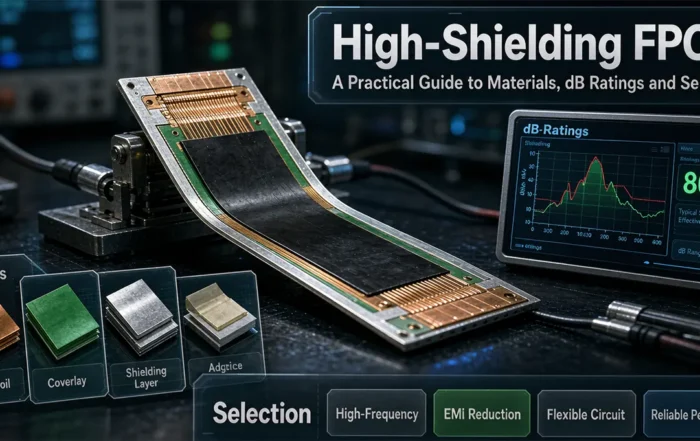
As electronic devices continue to become thinner, lighter, and more compact, flexible printed circuit boards (FPCs) have become necessary in industries extending from consumer electronics and medical devices to automotive systems and aerospace equipment.
Their ability to bend, fold, and fit into confined spaces provides significant design advantages over conventional rigid PCBs.
However, many engineers and sourcing professionals quickly discover that flexible PCB cost can vary dramatically among apparently similar designs.
A simple single-layer flex circuit may cost only a few dollars per unit in production, while a high-density multilayer flexible circuit can cost several times more than a comparable rigid board.
Understanding the factors that drive flexible PCB cost is critical for managing performance, reliability, and budget.
This article examines the major cost components, the most influential design and manufacturing factors, and the hidden expenses that buyers often overlook.
What Makes Up the Total Flexible PCB Cost?
The cost of a flexible PCB is not determined by a single variable. Instead, it is the result of various interrelated factors, including materials, manufacturing processes, quality requirements, and supply chain considerations.
Material Costs
Materials are among the largest contributors to the overall cost of flexible PCBs.
Unlike rigid PCBs, which typically use FR-4 substrates, flexible circuits rely primarily on polyimide films for their excellent thermal stability, chemical resistance, and mechanical flexibility.
The most common material components include:
| Material Component | Function | Cost Impact |
| Polyimide Film | Base substrate | High |
| Copper Foil | Conductive circuitry | Medium-High |
| Adhesive Systems | Layer bonding | Medium |
| Coverlay Film | Circuit protection | Medium |
| Stiffeners | Mechanical reinforcement | Medium |
Polyimide is significantly more expensive than FR-4 laminate.
According to industry data from IPC and several major material suppliers, flexible circuit base materials may cost three to five times more than standard rigid PCB substrates, depending on thickness and performance requirements.
Copper foil selection also affects cost. Rolled annealed (RA) copper, commonly used used in dynamic flex applications because of its increased fatigue resistance, typically commands a premium compared with electrodeposited (ED) copper.
Additional materials such as FR-4, stainless steel, or polyimide stiffeners increase both material consumption and assembly complexity.
Manufacturing Costs
Flexible PCB fabrication calls for specialized equipment and handling procedures that are generally more complex than those used for rigid boards.
Key manufacturing operations include:
| Manufacturing Process | Purpose |
| Imaging | Pattern transfer |
| Chemical Etching | Circuit formation |
| Laser Drilling | Microvia creation |
| Mechanical Drilling | Through-hole creation |
| Coverlay Lamination | Circuit protection |
| Surface Finishing | Solderability enhancement |
Because flexible substrates are thinner and more delicate than rigid laminates, manufacturers must employ tighter process controls throughout production.
Multilayer flexible circuits require additional lamination cycles, precision registration systems, and yield management procedures, all of which raise manufacturing costs.
Quality Assurance Costs
Quality assurance represents a necessary investment rather than an optional expense, notably for applications in automotive, medical, aerospace, and industrial sectors.
Manufacturers typically perform:
- Electrical continuity testing
- Insulation resistance testing
- Visual inspection
- Dimensional verification
- Bend-cycle reliability testing
- Thermal stress testing
For high-reliability applications, compliance with IPC standards such as IPC-6013 (Qualification and Performance Specification for Flexible Printed Boards) brings in extra testing and record maintenance requirements.
Although these procedures raise production costs, they significantly reduce field failures and warranty risks.
Logistics and Supply Chain Costs
Supply chain factors have grown increasingly important in recent years.
Specialized flexible PCB materials often require longer procurement cycles than standard rigid PCB materials.
Global demand changes, raw material shortages, and transportation costs can all affect final pricing.
The following factors commonly affect supply-chain-related costs:
| Supply Chain Factor | Potential Cost Impact |
| Material Availability | Medium-High |
| Lead Time Requirements | High |
| Inventory Management | Medium |
| Global Shipping Costs | Medium |
| Supplier Location | Medium |
Expedited production schedules can increase total project costs significantly because manufacturers may need to give priority to orders, pay premium material prices, or allocate dedicated production capacity.
Top 10 Factors Affecting Flexible PCB Cost
Although dozens of variables determine pricing, ten factors consistently have the greatest impact on manufacturing expenses.
Factor #1: Material Selection
Material selection often determines the baseline cost structure of a flexible circuit.
Standard polyimide materials provide sufficient performance for most commercial applications.
However, high-temperature, low-loss, or specialty polyimide materials used in aerospace and medical systems can substantially increase costs.
Adhesiveless constructions are another important consideration.
Although they offer superior electrical performance and improved reliability, they generally require more advanced manufacturing processes and therefore cost more than traditional adhesive-based constructions.
Factor #2: Copper Thickness
Copper thickness affects both electrical performance and manufacturability.
Thicker copper improves current-carrying capability but reduces flexibility and increases etching complexity. Common thicknesses include:
| Copper Weight | Typical Application |
| 0.5 oz | Consumer electronics |
| 1 oz | General-purpose flex circuits |
| 2 oz | Power electronics |
| 3 oz+ | High-current applications |
As copper thickness increases, manufacturing difficulty and production costs generally rise.
Factor #3: Layer Count
Layer count remains one of the most direct cost drivers in flexible PCB manufacturing.
| Construction Type | Relative Cost |
| Single-Sided Flex | Low |
| Double-Sided Flex | Medium |
| Multilayer Flex | High |
| Rigid-Flex | Very High |
Each additional layer introduces more material usage, lamination cycles, alignment requirements, and inspection procedures.
A six-layer flexible circuit may cost several times more than a comparable single-sided design.
Factor #4: Circuit Density
Modern electronic devices increasingly demand compact, high-density layouts.
Fine traces, narrow spacing, microvias, and HDI structures require advanced fabrication technologies and tighter process controls.
As circuit density increases, yield rates may decrease, causing higher manufacturing costs.
Factor #5: Board Size and Shape Complexity
Board dimensions directly affect material consumption and panel utilization.
Simple rectangular geometries maximize manufacturing efficiency.
Irregular shapes, cutouts, and complex contours often reduce panel utilization rates and increase waste.
Poor panel efficiency can raise material costs substantially, especially in high-volume production.
Factor #6: Dynamic Flex Requirements
Not all flexible circuits are designed for continuous movement.
Static-flex applications are bent only during installation and remain fixed during operation.
Dynamic-flex applications have to endure repeated bending cycles throughout their service life.
Dynamic designs typically require:
- Rolled annealed copper
- Optimized trace routing
- Increased reliability testing
- Specialized material systems
These requirements raise manufacturing costs but improve long-term durability.
Factor #7: Surface Finish Selection
Surface finishes protect exposed copper and ensure reliable solderability.
Common options include:
| Surface Finish | Relative Cost |
| OSP | Low |
| Immersion Silver | Medium |
| ENIG | High |
ENIG (Electroless Nickel Immersion Gold) remains one of the most widely used finishes because of its excellent corrosion resistance and assembly performance.
Factor #8: Stiffeners and Reinforcements
Flexible circuits frequently require localized reinforcement to support connectors, components, or assembly operations.
Common stiffener materials include:
| Stiffener Material | Typical Application |
| FR-4 | Connector support |
| Polyimide | Flexible reinforcement |
| Stainless Steel | High-strength applications |
Every stiffener adds extra material, tooling, and lamination steps.
Factor #9: Testing Requirements
Testing requirements differ substantially by industry.
Consumer electronics typically require standard electrical testing, while automotive and medical products frequently require extensive validation procedures including environmental stress screening and reliability qualification.
Higher testing requirements inevitably increase project costs.
Factor #10: Production Volume
Production volume strongly influences unit pricing.
| Production Volume | Cost Per Unit |
| Prototype | Highest |
| Low Volume | High |
| Medium Volume | Moderate |
| High Volume | Lowest |
As production quantities increase, tooling, setup, and engineering costs are distributed across more units, lowering overall cost per board.
Hidden Cost Drivers Most Buyers Overlook
Many cost overruns originate from factors that are rarely discussed during initial supplier quotations.
Poor Panel Utilization
Panel utilization directly affects material utilization.
When circuit layouts leave excessive unused space on manufacturing panels, more substrate material is consumed for the same output quantity.
Improving panel utilization by even 10–15% can generate significant savings in large production runs.
Excessive Design Complexity
Many designs contain features that add manufacturing difficulty without providing meaningful useful benefits.
Examples include unnecessarily tight tolerances, excessive layer counts, and excessively complex board outlines.
Such features often increase cost without improving product performance.
Over-Specification
Engineers frequently specify higher-performance materials than necessary.
For example, aerospace-grade materials may be selected for products operating in relatively benign environments.
Matching specifications to actual performance requirements is one of the most effective methods for reducing flexible PCB cost.
Engineering Change Orders (ECOs)
Late-stage design revisions can dramatically increase project expenses. Engineering change orders may require:
- New tooling
- Additional prototypes
- Updated testing
- Process requalification
The cost impact of a design change increases substantially once production has begun.
Low Manufacturing Yield
Yield loss remains one of the largest hidden cost contributors.
Complex multilayer designs, aggressive trace geometries, and difficult registration requirements can reduce manufacturing yields.
When yield decreases, manufacturers must process additional panels to achieve the required shipment quantity, increasing total production costs.
Flexible PCB Cost by Design Type
Different flexible PCB constructions have distinct cost structures.
The table below provides a general comparison.
| PCB Type | Relative Cost | Complexity | Typical Applications |
| Single-Sided Flexible PCB | Low | Low | Consumer electronics |
| Double-Sided Flexible PCB | Medium | Moderate | Industrial controls |
| Multilayer Flexible PCB | High | High | Medical devices |
| Rigid-Flex PCB | Very High | Very High | Aerospace, automotive |
Single-sided flexible circuits remain the most economical option because they require fewer manufacturing steps and materials.
Double-sided designs provide additional routing flexibility but introduce plated-through holes and more complex fabrication processes.
Multilayer flexible circuits support high-density routing but require multiple lamination cycles and precise layer registration.
Rigid-flex PCBs represent the most sophisticated construction, combining rigid and flexible sections into a single assembly.
While they typically have the highest manufacturing cost, they often reduce connector counts, simplify assembly, and increase overall system reliability, resulting in lower total ownership costs over the product lifecycle.
Future Trends That Will Affect Flexible PCB Cost
The flexible electronics industry is evolving rapidly as manufacturers pursue thinner devices, higher reliability, and greater production efficiency.
While many discussions about flexible PCB cost focus on current materials and fabrication methods, emerging technologies are expected to reshape cost charges significantly over the next decade.
Knowing these trends can help product developers make more informed design decisions and expect future price trends.
Advanced Flexible Materials
Material innovation persists one of the most influential forces modifying future flexible PCB cost.
Traditional flexible circuits rely primarily on polyimide substrates and copper conductors.
While these materials continue to dominate the market, newer materials are being created to meet increasingly demanding requirements in electric vehicles, medical electronics, aerospace systems, and high-frequency communications.
Examples include:
| Advanced Material | Primary Benefit | Potential Cost Impact |
| Low-Dk Polyimide | Improved signal integrity | Higher |
| Liquid Crystal Polymer (LCP) | High-frequency performance | Higher |
| Ultra-Thin Polyimide | Enhanced flexibility | Moderate-High |
| Stretchable Conductive Materials | Wearable electronics | High |
| High-Temperature Laminates | Automotive applications | Moderate-High |
Initially, these advanced materials tend to increase flexible PCB cost due to limited production volumes and specialized processing requirements.
However, as adoption expands and manufacturing scales improve, costs often decline.
A similar pattern has been observed in the semiconductor and PCB industries, where materials that were once considered premium eventually became mainstream.
Automation in Flex PCB Manufacturing
Labor-intensive manufacturing processes have traditionally contributed considerably to flexible PCB cost.
Flexible substrates are inherently more difficult to handle than rigid laminates, calling for precise registration and careful process control throughout fabrication.
TTo confront these challenges manufacturers are progressively investing in automation technologies.
Modern facilities now employ:
- Automated optical inspection systems
- Robotic material handling equipment
- Automated lamination controls
- Real-time process monitoring systems
- Smart production scheduling software
According to IPC industry research, automated manufacturing environments are able to significantly reduce defect rates while improving production consistency.
Reduced labor dependency also helps manufacturers offset rising labor costs in major electronics manufacturing regions.
The long-term result is expected to be lower per-unit production costs, particularly for medium- and high-volume flexible PCB programs.
AI-Assisted Process Enhancement
Artificial intelligence is beginning to influence nearly every stage of electronics manufacturing, including flexible PCB production.
Traditionally, process improvement relied heavily on engineering experience and historical production data.
Today, machine learning algorithms are able to analyze big datasets in real time to identify process variations that might affect yield, quality, or throughput.
AI applications in flexible PCB manufacturing include:
| AI Application | Expected Benefit |
| Predictive Maintenance | Reduced equipment downtime |
| Yield Prediction | Improved production efficiency |
| Process Optimization | Lower scrap rates |
| Automated Defect Detection | Enhanced quality control |
| Production Scheduling | Improved resource utilization |
McKinsey & Company estimates that AI-driven manufacturing systems can improve productivity by 15–30% in advanced production environments.
While implementation needs considerable upfront investment, long-term gains in efficiency could help stabilize flexible PCB cost despite increasing product complexity.
For manufacturers producing high-density flexible circuits and rigid-flex assemblies, AI-assisted process control is likely to become a major competitive advantage.
Ultra-Thin Flexible Electronics
Consumer electronics manufacturers continue to push for thinner and lighter products.
Foldable smartphones, wearable medical devices, augmented reality systems, and next-generation sensors are creating demand for ultra-thin flexible circuits that can withstand repeated bending while occupying minimal space.
Ultra-thin constructions typically involve:
- Extremely thin polyimide substrates
- Reduced copper thicknesses
- Miniaturized interconnect structures
- Advanced HDI technologies
- Laser-drilled microvias
These designs frequently require specialized fabrication techniques and tighter manufacturing tolerances, increasing production complexity.
However, technological advances are gradually improving production yields for ultra-thin circuits. As manufacturing processes mature, cost reductions are expected to follow.
Industry analysts project continued growth in wearable electronics and foldable device markets, suggesting that ultra-thin flexible circuits will become an increasingly important segment of the global PCB industry.
Environmentally Friendly Manufacturing Practices
Environmental sustainability continues to be becoming an growing important consideration in electronics manufacturing.
Governments, OEMs, and consumers are placing greater emphasis on lowering environmental impact throughout the product lifecycle.
Flexible PCB manufacturers are responding through investments in:
| Sustainability Initiative | Potential Cost Effect |
| Waste Reduction Programs | Lower long-term costs |
| Chemical Recycling Systems | Moderate savings |
| Energy-Efficient Equipment | Reduced operating costs |
| Water Recovery Systems | Improved sustainability |
| Green Material Development | Variable |
Initially, sustainability initiatives often necessitate considerable capital investment. However, many programs ultimately cut operational costs through refined resource efficiency.
For example, advanced wastewater treatment systems can reduce water consumption, while energy-efficient production equipment lowers utility expenses.
As environmental regulations become stricter worldwide, green manufacturing practices are expected to play an increasingly important role in determining flexible PCB cost structures.
Conclusion
Flexible PCBs have grown essential components in modern electronic products, allowing compact designs, lightweight assemblies, and enhanced reliability spanning industries spanning ranging from consumer electronics to aerospace systems.
Despite their advantages, flexible PCB cost remains highly dependent on design choices, manufacturing complexity, material selection, and production strategy.
Knowing these variables allows engineers and procurement teams to make more reasoned decisions that manage performance requirements with budget constraints.
Reducing flexible PCB cost is not about selecting the lowest-priced supplier or cutting material expenditures at every opportunity.
Instead, successful cost control requires a thorough understanding of how materials, design decisions, manufacturing processes, quality requirements, and production volumes interact throughout the product lifecycle.
Organizations that focus on manufacturable designs, strategic supplier partnerships, and application-specific specifications typically achieve the best equilibrium between cost, reliability, and performance.
As advanced materials, automation, artificial intelligence, and environmentally friendly manufacturing practices continue to reshape the industry, companies that understand these developing cost drivers will be more likely to to develop competitive products while continuing enduring profitability.[/fusion_text][/fusion_builder_column][/fusion_builder_row][/fusion_builder_container]