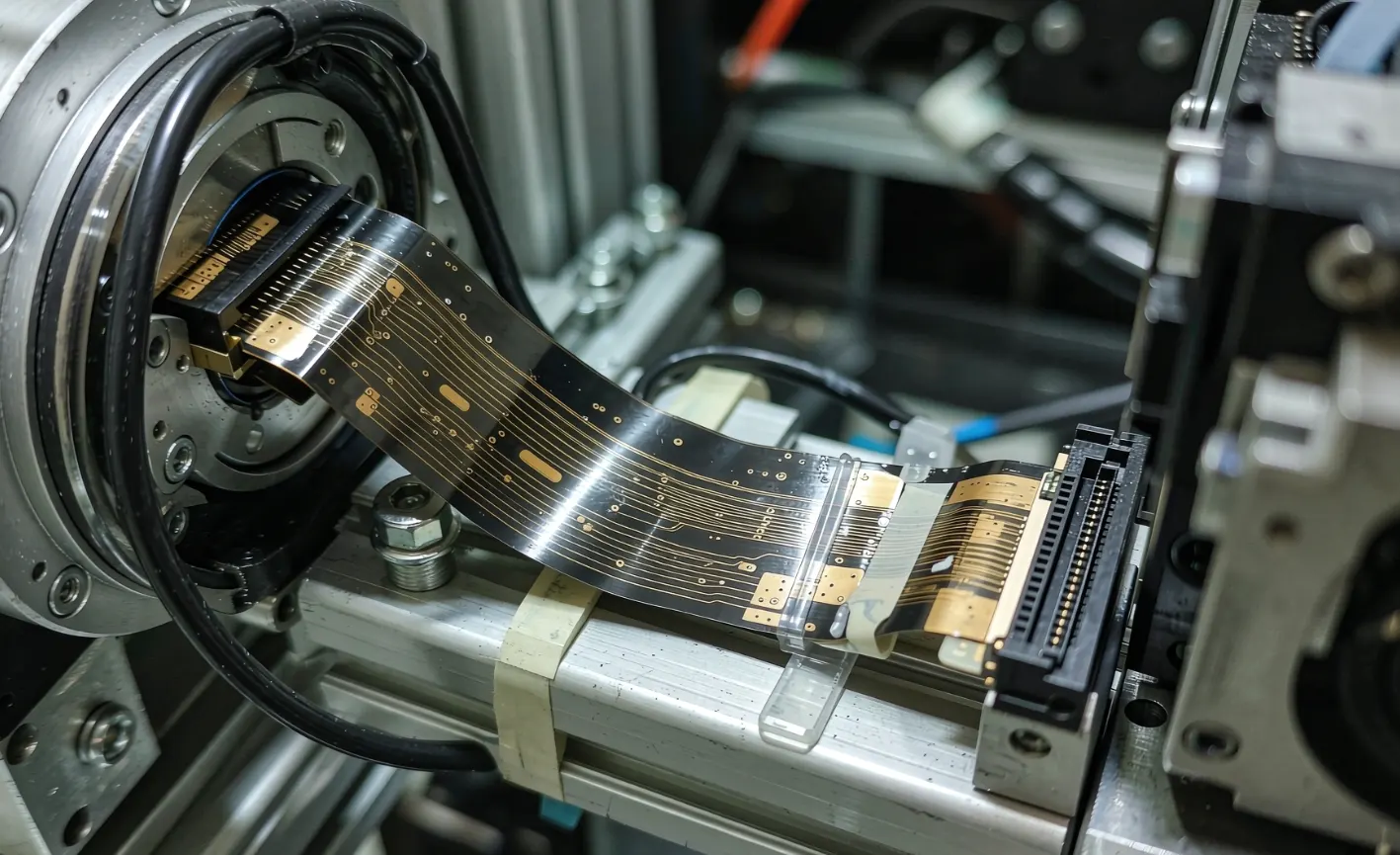
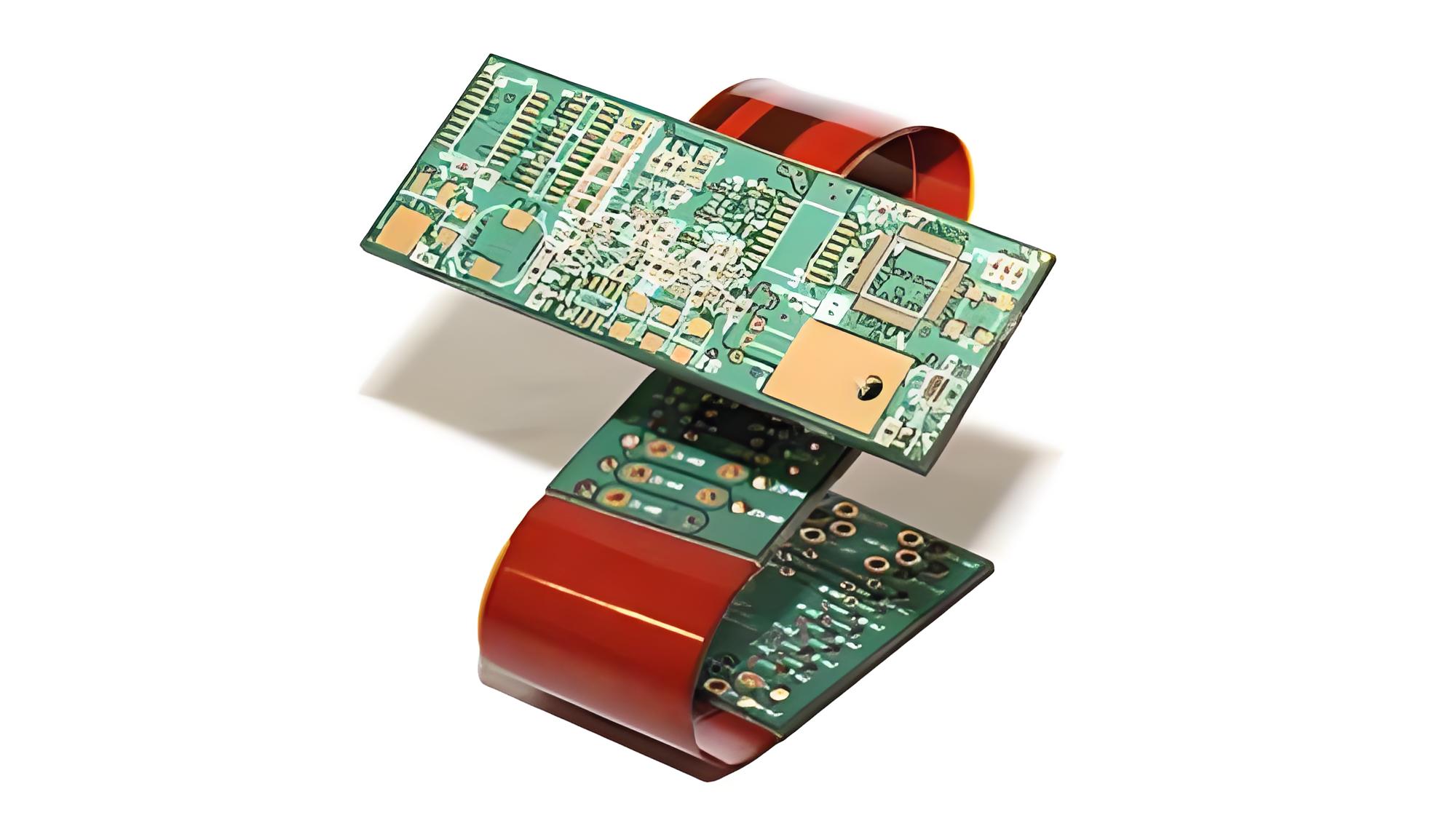
PTFE Blind Via Metallization Process for High-Frequency FPC: Black Hol
PTFE blind via metallization process for high-freque: specs, applications, sourcing tips, quality notes, and manufacturing support for

PTFE blind via metallization process for high-freque: specs, applications, sourcing tips, quality notes, and manufacturing support for
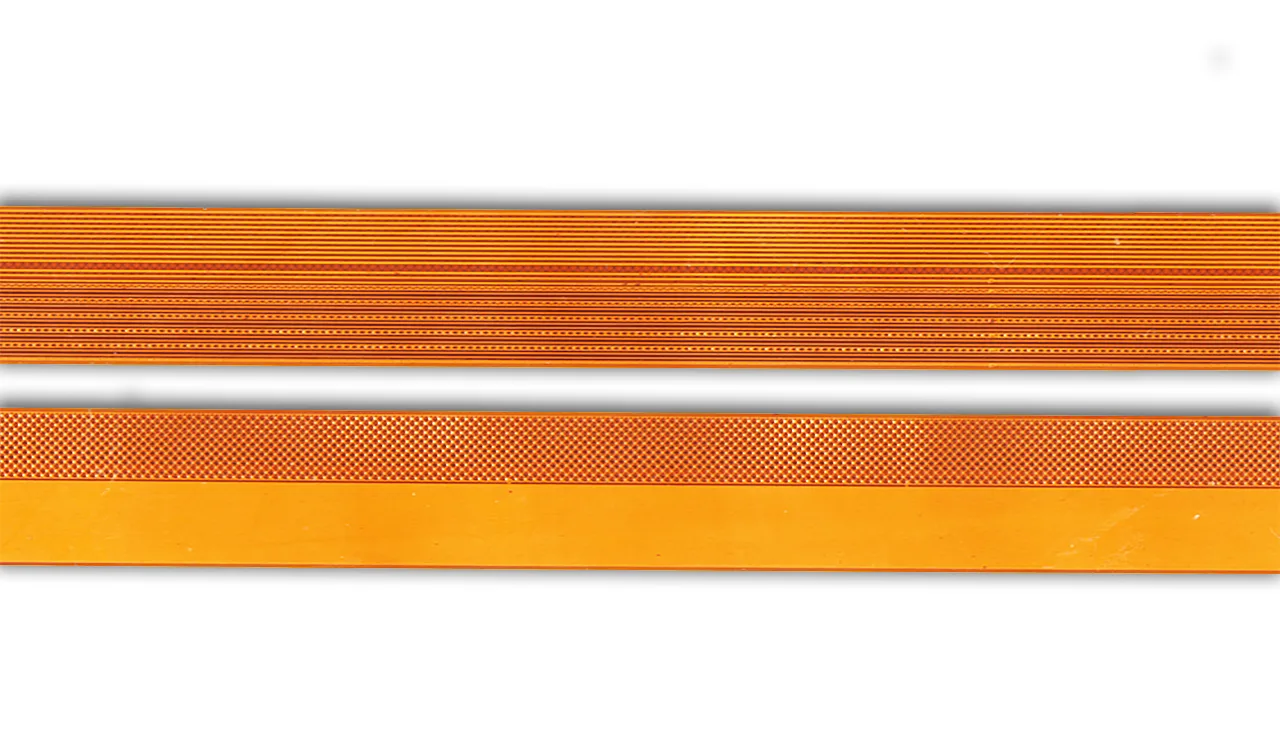
Traditional mechanical milling of blind slots in multilayer flexible PCBs is hard to control. The cutter removes material by force, so it can leave burrs, smear dielectric, compress the bondply, and [...]
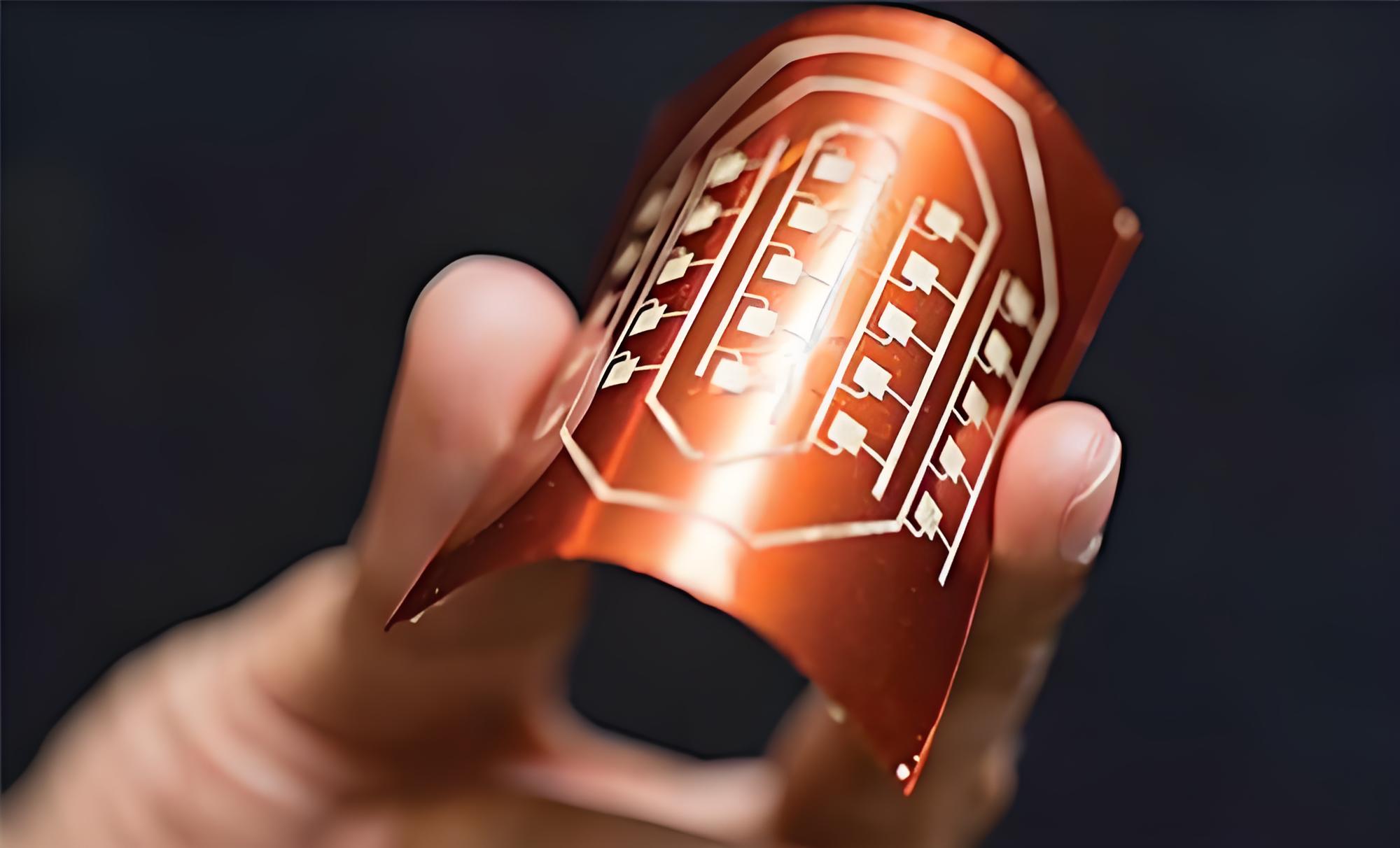
A Flexible Tactile Sensor is a thin contact-sensing device that reads pressure, temperature, hardness and surface material at the point of touch. FPCB processing turns this design into a low-cost, short-lead-time [...]
Learn high frequency flexible PCB impedance control techniques: material selection, stackup planning, trace geometry, and testing to
Why Cleaning PCB Boards Is Crucial? PCBs accumulate flux residues, solder paste, dust, and oils during manufacturing or field use. Left unaddressed, these contaminants can trap moisture and create conductive paths, [...]
Learn the 6 most common flexible PCB design mistakes and how to avoid them. Improve bend radius, materials, connectors, and DFM with Gekun's
In the fast-evolving world of electronics, flexible circuits enable revolutionary design possibilities. The foundation of any high-performance FPC lies in selecting the right flex material. But how do you choose the [...]
Flexible PCB cost in 2026 ranges from $0.50 to $30+ per square inch. A single-layer board sits near $0.50–$1.20, while HDI flex reaches $12–$30. That flex PCB price per square inch [...]
Compare 8 PCB testing methods—AOI, ICT, flying probe, boundary scan, X-ray, FCT, visual, and burn-in—and choose the right strategy for
Rigid Flex PCB Manufacturing: A Process Overview 1. What is a Rigid Flex PCB? A rigid flex PCB combines stiff board parts with flexible sections in one structure. This design removes connectors, [...]

Gekun – Your Trusted Flex PCB Manufacturer
✉️ Contact us for flex PCB fabrication quotes
🌐 Leading flexible PCB board manufacturers since 2014
Overview
Contact
Address: 3rd Floor, Building A, Industrial 5th Road, Jiangbian Community, Songgang Street, Bao’an District, Shenzhen City, China.
Email:
Tel(Wechat): +86 18680312949
WhatsApp: +8613528899949
Copyright© 2014-2025Gekun All Rights Reserved | Flexible cirucuits Manufacturer