
Rigid-Flex PCB for TWS Earbuds: Manufacturing Challenges and HDI Process Optimization

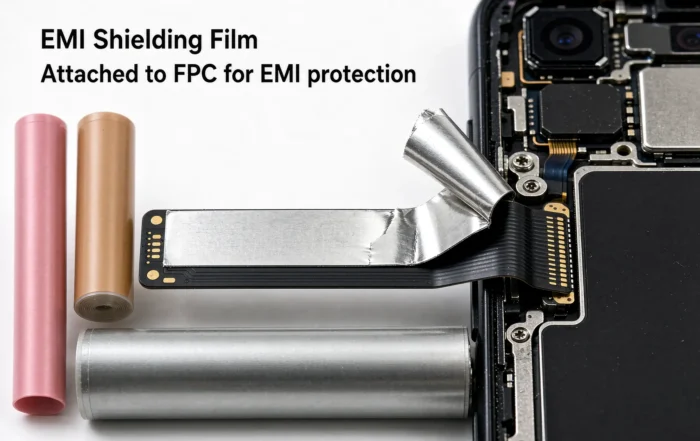
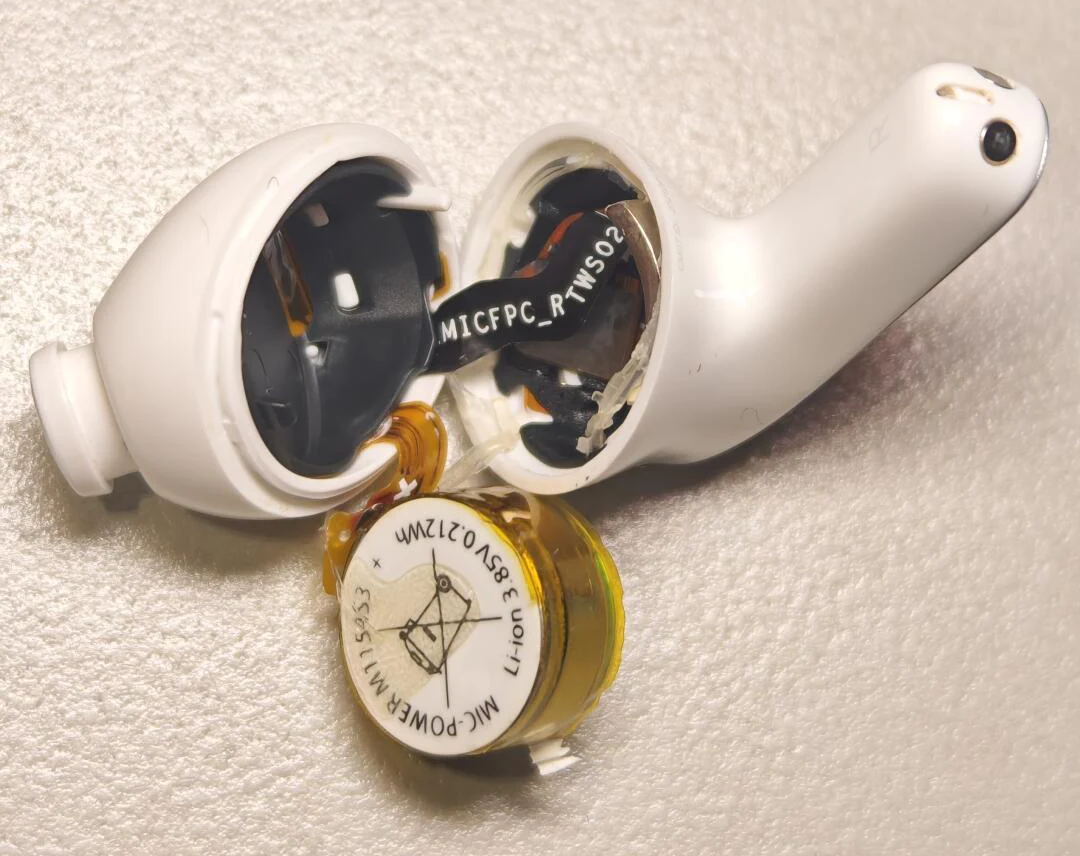
Rigid-Flex PCB for TWS Earbuds: Manufacturing Challenges and HDI Process Optimization
A rigid-flex PCB for TWS earbuds is a circuit that combines rigid FR-4 areas for components with flexible polyimide areas for bending. The rigid wings carry the SoC, microphone, and battery contacts. The flex tail bends into the stem and nozzle. Therefore, the design removes board-to-board connectors, saves volume, and improves drop reliability. Most modern earphones reach that density with a 6-layer HDI stack.
What Is a rigid-flex PCB for TWS earbuds?
A rigid-flex PCB for TWS earbuds is a hybrid board. Polyimide flex cores are laminated between rigid FR-4 layers, so a single part does the work of a flex circuit plus a stiffener plus a connector. The result is a thin, formable board that still survives reflow.
Compared with a plain FPC mated to a connector, one rigid-flex part removes two mating interfaces and their solder joints. In addition, the acoustic chamber stays cleaner, because no connector body sits near the driver. Assembly steps also drop, which matters when you build millions of units.
Why TWS earbuds HDI rigid-flex PCB designs save space
HDI adds laser-drilled microvias and finer traces on the rigid sections. This lets a TWS earbuds HDI rigid-flex PCB place the Bluetooth SoC, power management IC, and antenna feed very close together. Shorter routes mean lower loss at 2.4 GHz.
However, density has a cost. Stacked microvias need tight registration, and every extra lamination cycle adds stress to the flex core. For that reason, most teams keep the layer count at six and push routing discipline instead of adding layers.
Earbud FPC manufacturing challenges you must plan for
Earbud FPC manufacturing challenges rarely come from the schematic. They come from handling, registration, and bending. The four points below cause most yield loss.
Bend radius and dynamic flex fatigue
A flex tail that bends inside a stem sees repeated small-radius movement. Keep copper runs perpendicular to the bend line, and avoid plated through-holes in the bend zone. Also specify rolled-annealed copper where the flex will move.
Layer registration after lamination
Rigid-flex boards shrink and shift during lamination. If the flex core and the rigid layers drift, microvias miss their targets. Therefore, panel design needs breaker strips and target marks that survive every press cycle.
Coverlay and solder mask at the transition
The rigid-to-flex transition is the weakest zone. Coverlay openings must clear the bend, and solder mask must not crack at the edge. For example, a small keep-out on each side of the transition prevents mask lift during thermal cycling.
Small panel handling and SMT yield
Earbud boards are tiny, so panel utilization and handling risk rise together. Vacuum tooling, laser singulation, and dedicated carriers protect the flex tails during SMT. Also keep test points on the rigid areas only.
A 6-layer HDI stack-up for earbud modules
A six-layer build keeps the rigid sections dense while leaving the flex core simple. The table below shows a common layer plan for earbud modules.
| Layer | Typical role | Design note |
|---|---|---|
| L1 | Components, RF | Keep the antenna feed short and stub-free |
| L2 | Ground | Continuous reference under RF routes |
| L3–L4 | Routing and power | Cross analog and digital traces at 90° |
| L5 | Ground | Extra shielding for the microphone line |
| L6 | Pads and contacts | Charging pads and test points only |
This plan suits both earbuds and charging cases. It also carries over to our Rigid-Flex PCB platform, which covers single-sided flex, multilayer flex, and hybrid boards.
Selection table: matching rigid-flex build to earbud program type
Not every TWS program needs the same flex construction. The table below maps three common earbud profiles to a practical rigid-flex build, so you can choose a starting point before DFM review.
| Program profile | Typical rigid-flex build | Flex focus | Process checkpoints |
|---|---|---|---|
| Entry TWS with short stem | 4-layer rigid, single-sided flex tail | Static bend only; standard RA copper | Panel registration, coverlay bond |
| ANC flagship with stacked microvias | 6-layer HDI, 1-2-1 microvia, rolled-annealed copper in dynamic zone | Dynamic bend at stem hinge; shielded mic line | Laser drill registration, bend-cycle first article |
| Open-ear or charging case | 6-layer rigid-flex with extended flex tongue | Large bend radius, repeated insertion | Lamination flatness, carrier design for SMT |
A differentiated case from our Shenzhen production line shows why the table matters. One ANC earbud program started with stacked microvias across the entire rigid area, which added lamination cycles and caused registration drift near the flex transition. The team changed to a mixed stack: stacked vias only under the SoC, single laser vias elsewhere, and a wider coverlay keep-out at the bend. That edit removed one lamination cycle and stabilized the transition zone without changing finished thickness. In practice, a targeted stack change like this usually does more for yield than tightening every tolerance on the drawing.
Process optimization from lamination to SMT
Process control decides whether an HDI rigid-flex PCB stays flat and reliable. Start with no-flow prepreg and a controlled lamination cycle, then add plasma desmear before plating. Next, image the microvias with laser drilling and verify registration on every panel.
Coverlay lamination and surface finish follow. After that, electrical test and laser singulation protect the flex tails. Finally, run SMT on the rigid areas with a carrier that supports the bend zone. Each step is documented, so a deviation is caught before it reaches the next stage.
For teams building other products, the same rules apply to rigid-flex PCBs used in robotics and to a Rigid-Flex PCB for Drones. Dimensional control is the shared theme across all of them.
Quality checks and DFM questions to ask your supplier
Ask for first-article registration data, bend-cycle results, and microsection images of the transition zone. Also confirm how the supplier handles panel warp after lamination. These three answers predict mass-production behavior better than a datasheet.
Before release, walk your design against the supplier’s DFM list. Gekun has built flexible and rigid-flex circuits in Shenzhen since 2014, and we build rigid-flex PCB solutions for consumer, medical, and industrial markets. If you need a different outline or layer count, request a Custom Flex PCB quote, and we will review the stack with you. More process questions are answered in our PCB Manufacturing FAQ.
FAQ
What is the difference between an FPC and a rigid-flex PCB for TWS earbuds?
An FPC is a flexible circuit only, so it usually needs a stiffener and a connector. A rigid-flex PCB for TWS earbuds bonds rigid FR-4 sections to a polyimide flex core, so components mount directly on rigid areas and the flex section bends into the stem. That removes connectors and their solder joints.
Which stack-up works best for a TWS earbuds HDI rigid-flex PCB?
A 6-layer HDI build is the common choice. Two ground layers provide reference and shielding, the middle layers handle routing and power, and the outer layers carry components and contacts. This keeps microvia count low while still fitting the SoC, antenna, and charging pads into the earbud.
What are the main earbud FPC manufacturing challenges?
The main earbud FPC manufacturing challenges are bend fatigue in the flex tail, layer misregistration after lamination, coverlay lift at the rigid-to-flex transition, and damage during SMT handling. Each one is controlled by design rules, panel layout, and dedicated carriers rather than by tighter tolerances alone.
How can I keep bend and drop reliability high in mass production?
Keep copper perpendicular to the bend line, avoid plated holes in the bend zone, and specify rolled-annealed copper for moving sections. In addition, verify registration and bend cycles on first articles, then audit them at each production lot. Short, repeated checks catch drift earlier than a final inspection.
Related Posts
- Rigid-Flex PCB for Drones Guide — Related article
- Rigid-Flex PCBs in Robotics — Related article
- HDI Rigid-Flex PCB Manufacturing for Medical Electronics — Related article
- Rigid-Flex Boards Dimensional Control in Mass Production — Related article
- Top Rigid-Flex PCB Manufacturers: 2026 Buyer Guide — Related article