
Rigid-flex circuit technology is chosen when a compact or moving assembly cannot rely on a rigid board alone.
Gekunflex supports rigid-flex circuit technology from prototype to volume production, covering stack-up, coverlay, and assembly notes.
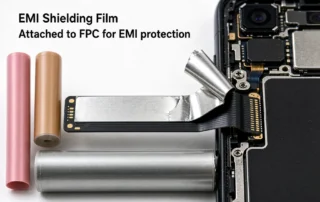
EMI Shielding Method for FPC and Flex Circuits: Complete Guide
EMI Shielding Method for FPC and Flex Circuits: Complete Guide An EMI shielding method is a material or design technique that blocks, reflects, or absorbs electromagnetic interference around a circuit. For flexible circuits, the most common methods are laminated EMI shielding film, a copper shield layer or shielding network, and conductive cloth or tape applied to the FPC. This guide[...]

EMI Shielding Film for Flex Circuits: Material Types and Selection Guide
An EMI shielding film for flex circuits is a thin, flexible laminate that suppresses electromagnetic interference on FPCs and rigid-flex boards. It combines a conductive metal layer, a conductive adhesive, and a protective cover layer. Choose it by frequency, required dB, bend type, thickness, and reflow temperature. Why EMI Shielding Film Matters in Flex Circuits Flexible circuits are used in smartphones,[...]
FPC Routing: Design Rules, Cutting Methods, and Manufacturing Support
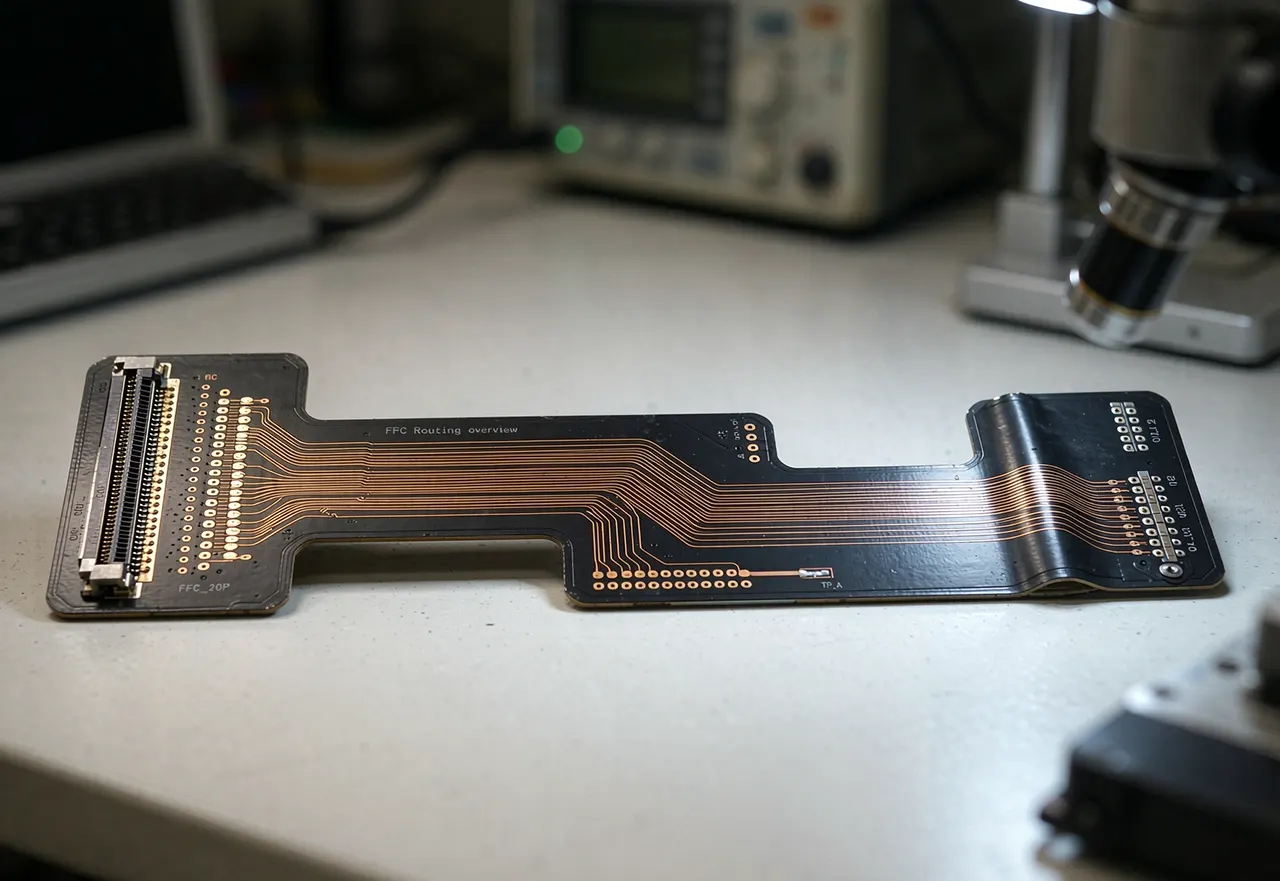
FPC routing has two meanings in flexible circuit manufacturing. In design, it means laying out conductors across a Flexible Circuit. In production, it means cutting finished parts out of the panel with a laser, CNC, or die tooling. Both steps decide bend life, fit, and unit cost. FPC RoutingOverview What FPC Routing Means in Practice FPC routing[...]
Nickel–copper adhesion failure in flexible PCBs: causes, tests, and prevention
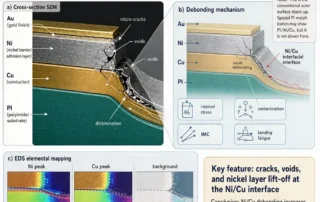
Learn what causes nickel–copper adhesion failure in flexible PCBs, how to test it with peel, cross-section and thermal shock, and which plating controls prevent blisters and peeling.
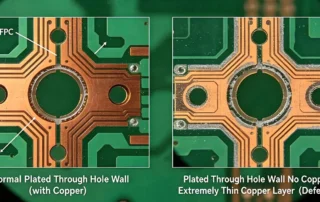
PCB Hole Wall Quality Inspection: Methods, Criteria, and Defect Fixes
How PCB hole wall quality inspection works: AOI, backlight test, microsection, copper thickness checks, IPC acceptance criteria, common defects and process fixes.
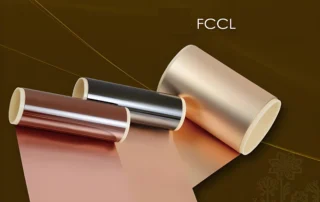
FCCL vs. Rigid Copper Clad Laminate: Key Differences & How to Choose
FCCL vs. rigid copper clad laminate: learn the key differences, IPC standards, and how to choose the right substrate for your PCB design.
EMI Shielding Method for FPC and Flex Circuits: Complete Guide
EMI Shielding Method for FPC and Flex Circuits: Complete Guide An EMI shielding method is a material or design technique that blocks, reflects, or absorbs electromagnetic interference around a circuit. For flexible circuits, the most common methods are laminated EMI shielding film, a copper shield layer or shielding network, and conductive cloth or tape applied to the FPC. This guide[...]
EMI Shielding Film for Flex Circuits: Material Types and Selection Guide
An EMI shielding film for flex circuits is a thin, flexible laminate that suppresses electromagnetic interference on FPCs and rigid-flex boards. It combines a conductive metal layer, a conductive adhesive, and a protective cover layer. Choose it by frequency, required dB, bend type, thickness, and reflow temperature. Why EMI Shielding Film Matters in Flex Circuits Flexible circuits are used in smartphones,[...]
Nickel–copper adhesion failure in flexible PCBs: causes, tests, and prevention
Learn what causes nickel–copper adhesion failure in flexible PCBs, how to test it with peel, cross-section and thermal shock, and which plating controls prevent blisters and peeling.
PCB Hole Wall Quality Inspection: Methods, Criteria, and Defect Fixes
How PCB hole wall quality inspection works: AOI, backlight test, microsection, copper thickness checks, IPC acceptance criteria, common defects and process fixes.
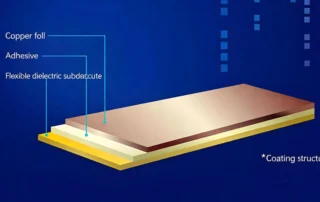
Adhesive-Free FCCL Substrates vs Adhesive-Based Substrates: 2L-FCCL vs 3L-FCCL Performance
Adhesive-Free FCCL Substrates bond polyimide (PI) directly to copper foil with no adhesive layer. Because the adhesive is removed, a 2L-FCCL avoids the CTE mismatch and internal stress that a 3L-FCCL shows. Therefore, adhesive-free vs. adhesive-based FCCL performance differs most in stability, thickness, and heat resistance. <div class="mceTemp"> What Are Adhesive-Free FCCL Substrates? An FCCL substrate is the copper-clad[...]
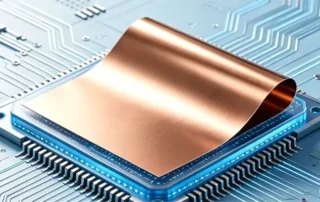
Types and Characteristics of Flexible Copper-Clad Laminates
A flexible copper-clad laminate (FCCL) is a base material for flexible printed circuits and rigid-flex boards. It combines a flexible insulating base film with a metal layer. High flexibility is its most prominent feature, so FCCL is also called soft copper-clad laminate. A typical FCCL product is shown in Figure 1. Copper-clad laminates (CCL) used in PCB manufacturing fall[...]
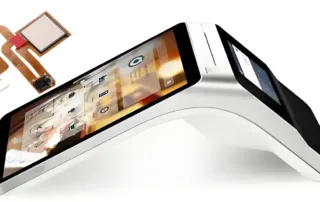
How FPC Fingerprint Sensors Work: 5 Expert Tips
Introduction: The Evolution of FPC Fingerprint Sensors Fingerprint recognition has improved a lot. It has changed from early capacitive sensors to today’s thin and high-performance biometric modules. Among all fingerprint recognition technologies, FPC (Fingerprint Cards) sensors are notable. People recognize them for their accuracy, ease of integration, and advanced signal processing capabilities. This guide explains how FPC fingerprint sensors[...]

Flex Sensors Explained: Bend Detection to Fingerprint Tech
Flex Sensors Explained: learn how bend detection works, where flex sensors are used, and how they differ from PCB and fingerprint sensors.
FPC Routing: Design Rules, Cutting Methods, and Manufacturing Support
FPC routing has two meanings in flexible circuit manufacturing. In design, it means laying out conductors across a Flexible Circuit. In production, it means cutting finished parts out of the panel with a laser, CNC, or die tooling. Both steps decide bend life, fit, and unit cost. FPC RoutingOverview What FPC Routing Means in Practice FPC routing[...]
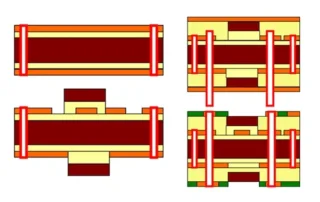
Rigid-Flex PCB Structures and Process Flow: Common Configurations and
Explore Rigid-Flex PCB structures and process flow, including common rigid-flex board configurations, flexible PCB steps, and multilayer
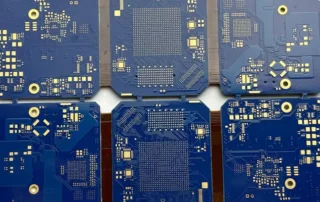
Smart FPCB Manufacturing: AI, Digital Twins, and Data-Driven Technologies for Higher Production Efficiency
Flexible printed circuit boards (FPCBs) are becoming one of the most important components in modern electronic products. Unlike traditional rigid circuit boards, flexible PCBs are thin, lightweight, bendable, and able to fit into very small spaces. These advantages make them ideal for products such as smartphones, wearable devices, electric vehicles, medical equipment, communication systems, and even aerospace technology. As[...]
Adhesive-Free FCCL Substrates vs Adhesive-Based Substrates: 2L-FCCL vs 3L-FCCL Performance
Adhesive-Free FCCL Substrates bond polyimide (PI) directly to copper foil with no adhesive layer. Because the adhesive is removed, a 2L-FCCL avoids the CTE mismatch and internal stress that a 3L-FCCL shows. Therefore, adhesive-free vs. adhesive-based FCCL performance differs most in stability, thickness, and heat resistance. <div class="mceTemp"> What Are Adhesive-Free FCCL Substrates? An FCCL substrate is the copper-clad[...]
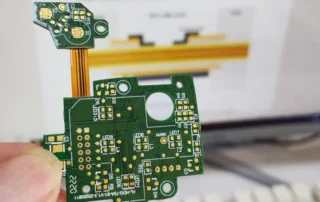
Rigid-Flex Boards Dimensional Stability: Control of Expansion and Cont
Rigid-flex boards need strict dimensional control in mass production to ensure yield, mating accuracy, and long-term reliability across flex
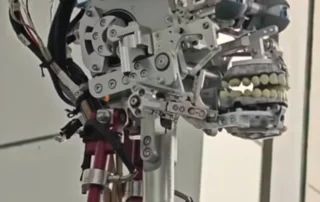
Rigid-Flex PCBs in Robotics: Key Enabling Technology for Humanoid and Industrial Systems
As robotics advances from traditional industrial automation toward humanoid robots, collaborative robots, autonomous mobile platforms, and wearable exoskeletons, electronic architectures are becoming increasingly complex. Modern robots must integrate high-performance computing, multi-sensor perception, real-time communication, precision motion control, and efficient power management within highly constrained spaces. Traditional rigid PCBs connected through cables and connectors often struggle to satisfy these requirements.[...]
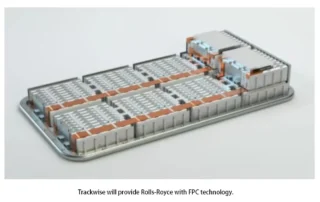

Rigid PCB vs Flexible PCB: Best Choice for Your Applications in 2026
Compare rigid PCB vs flexible PCB: materials, cost, durability, and applications. Learn which PCB type fits wearables, automotive, medical
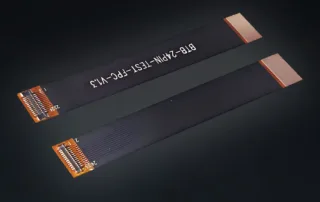
Choosing the Right Flex Circuit Connector: Tips and Best Practices
Summary Selecting the right flex circuit connector is essential for ensuring reliable electrical continuity, mechanical robustness, and efficient assembly in modern electronics. This guide talks about the basics of connectors. It covers different types, like ZIF, FPC, FFC, and BTB. It also compares FPC and FFC connectors. Additionally, it provides details about design, materials, how they connect, environmental testing, and[...]

How to Choose Flexible PCB: A Complete Selection Guide
Learn how to choose flexible PCB for your product. Compare single, double, multilayer and rigid-flex types, materials, bend radius and

FPC Cable Guide
When selecting an FPC cable, understanding the specific parameters and use-case requirements is critical. Unlike rigid PCBs, designers tailor the varying specifications of FPC cables precisely for each device. What Is an FPC Cable? FPC Cables, como circuitos impresos flexibles, son impresos en un sustrato aislante flexible como el poliéster o la poliimida, donde se graban senderos conductores como[...]

What is FPC in Mobile? (FAQ Guide)
Learn about What is FPC in mobile?: key specs, applications, and sourcing tips for B2B buyers. Get a quote from Gekunflex.
FCCL vs. Rigid Copper Clad Laminate: Key Differences & How to Choose
FCCL vs. rigid copper clad laminate: learn the key differences, IPC standards, and how to choose the right substrate for your PCB design.
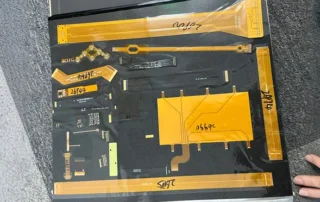
Rigid-Flex PCB Design: Benefits, Applications, Routing, and Manufacturing Guide
Combining all the characteristics of flexible circuits with rigid circuit boards that fully leverage high-density interconnect (HDI) technology represents a major technological breakthrough of our time. This design successfully avoids the need for board-to-board stacking connectors or typical flexible circuits. Anyone who has attempted to mate a flexible circuit with a stacking connector knows that this is a bottleneck[...]

Flexible PCB Gesture Recognition System for Wearable Human-Machine Int
Explore how a Flexible PCB Gesture Recognition System uses triboelectric sensors, flexible circuits, and deep learning for wearable
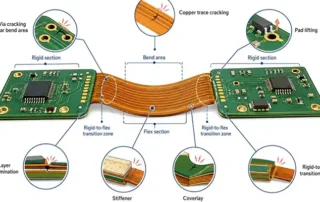
Common Flexible PCB Failure Modes: Causes, Prevention, and Design Best Practices
Flexible printed circuit boards (FPCBs) have become indispensable in modern electronics because they reduce weight, save space, and enable three-dimensional packaging. Industries such as consumer electronics, automotive, aerospace, industrial automation, and medical devices increasingly rely on flexible circuits to improve reliability while accommodating complex mechanical designs. Despite these advantages, flexible PCBs experience failure mechanisms that differ significantly from those[...]

Flexible Electronics Applications: Displays, Solar Cells and Sensors
Explore flexible electronics applications, including flexible displays, solar cells, sensors, transistors and CMOS circuits, plus materials
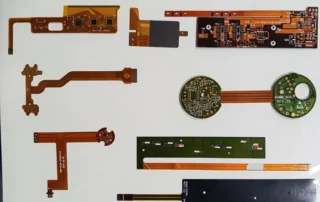
Flex PCB Applications: Where Flex Circuits Excel (And Where They Don’t
Explore Flex PCB applications across consumer, automotive, medical, aerospace, and industrial systems, plus when flexible circuits are not